Table of Contents
Essential Crockpot Terms Every Beginner Should Know
Using a crockpot can simplify cooking, but understanding the basic terms connected to it is essential for anyone new to slow cooking. Knowing words like “low,” “high,” or “simmer” can help the user control cooking times and temperatures, which improves meal results. Mastering these key terms helps beginners use their crockpot confidently and make better meals with less guesswork.
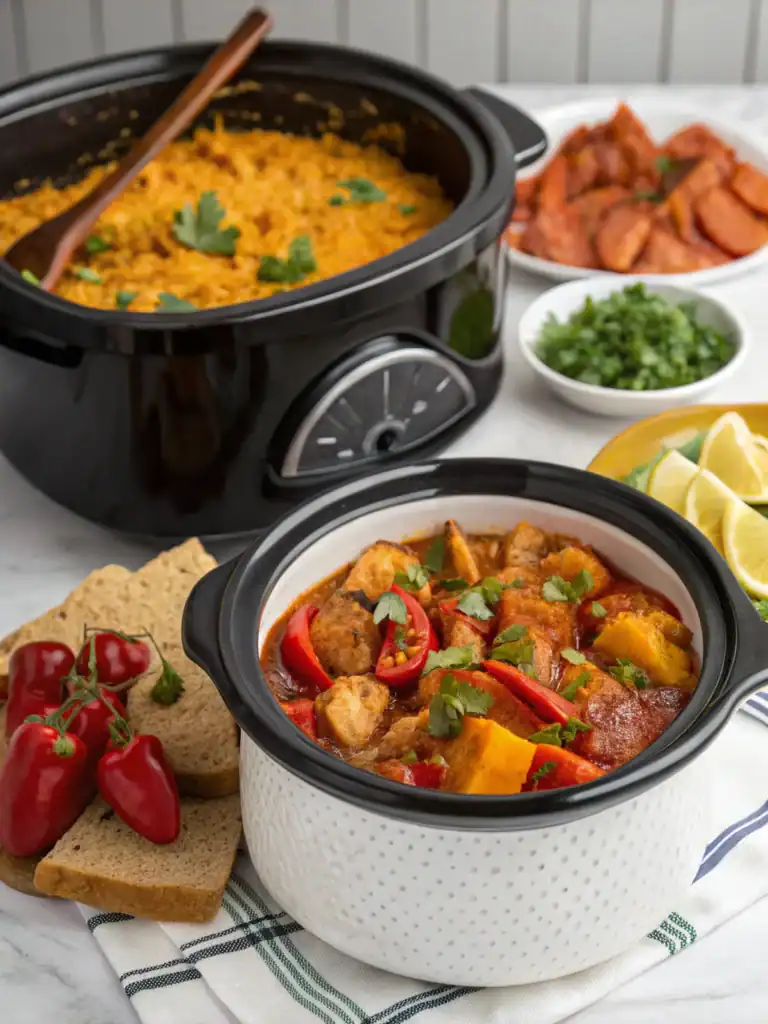
Crockpot terminology also includes different cooking techniques and functions that affect how food cooks and tastes. Learning these concepts allows a person to follow recipes accurately and adjust them when needed. It also covers safety and maintenance terms that protect both the user and the appliance during everyday use.
Accessories and extra features sometimes have their own set of terms, which can boost the crockpot’s versatility. Becoming familiar with these helps users take full advantage of their slow cooker’s capabilities and make cooking easier.
Key Takeways
- Knowing basic terms improves cooking accuracy with a crockpot.
- Understanding functions and techniques helps adjust recipes effectively.
- Awareness of safety and maintenance ensures proper use and care.
Foundational Crockpot Terminology
Understanding key terms around crockpots helps users operate their devices safely and effectively. This includes knowing the basic parts, types, and features that define how crockpots work and how to use them properly.
Crockpot vs. Slow Cooker
The terms “crockpot” and “slow cooker” are often used interchangeably but have subtle differences. A Crockpot is a brand name for a slow cooker with a removable stoneware pot.
A slow cooker is a generic term for any appliance that cooks food slowly at low temperatures.
Both devices cook food over hours to develop flavors and tenderize tough cuts of meat. The main thing to know is that a crockpot usually refers to the original device with specific parts, while slow cookers can vary in design and brand.
Manual vs. Programmable
Manual crockpots have simple controls like low, high, and warm settings. Users set the heat and cooking time, then manually turn the cooker off once done. These models are straightforward but require attention.
Programmable slow cookers have digital controls and timers. They can switch from cooking to warming automatically once the set time ends. This offers more convenience and prevents overcooking.
Users should pick based on their cooking routine. Programmable models suit those who want hands-free control, while manual ones are cheaper and easier to use for basic dishes.
Stoneware Insert
The stoneware insert is the removable pot inside a crockpot where food cooks. It is usually ceramic or porcelain, designed to retain and distribute heat evenly during slow cooking.
The insert is dishwasher-safe and can be used for serving or storing leftovers. It also allows for easy cleaning and prevents food from burning on the heating base.
Users should make sure the insert fits their model precisely. Cracks or chips in the insert can affect cooking performance and safety.
Heating Base
The heating base is the part of the crockpot that provides the heat to cook food. It holds the stoneware insert and contains the heating element and electrical components.
The base remains on a stable, flat surface during use and must never be submerged in water. Its settings control the heat level inside the stoneware.
Proper care includes wiping it clean and avoiding spills inside the base to prolong the appliance’s life and prevent electrical issues.
Cooking Settings and Functions
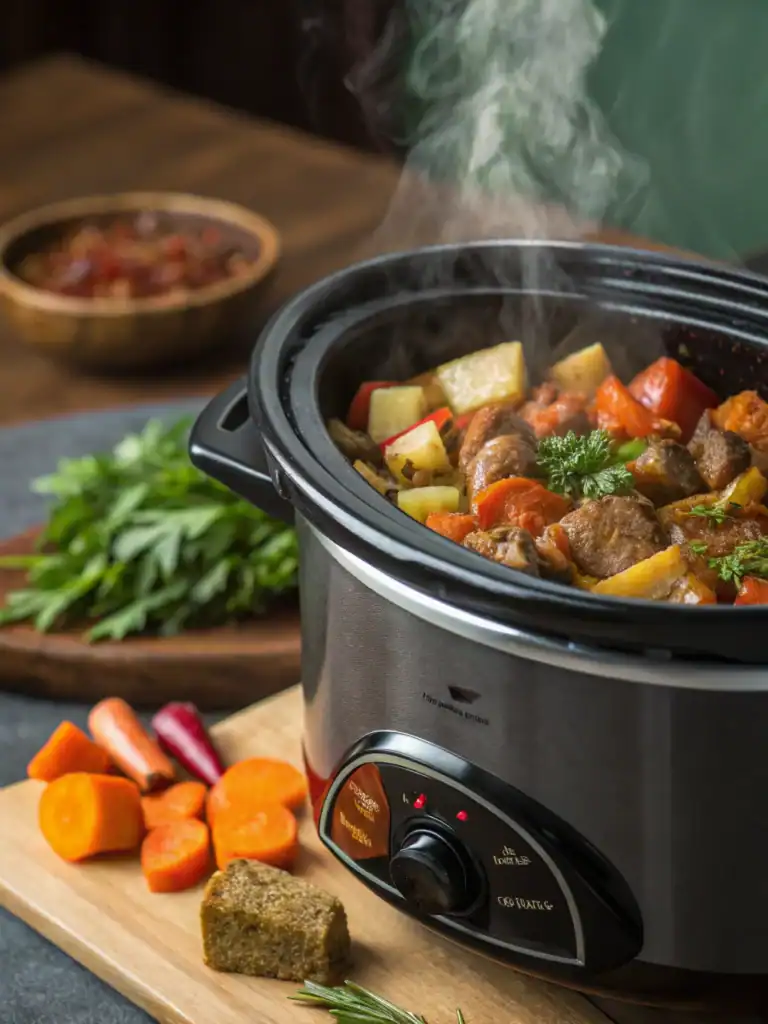
Crockpots offer different settings and functions to control cooking speed, temperature, and timing. These features help adjust how food cooks, from slow simmering to keeping meals warm. Knowing how each setting works helps users make the best use of their slow cooker.
Low, High, and Warm Settings
The Low setting cooks food slowly at a lower temperature, usually around 190°F (88°C). It is ideal for tougher cuts of meat and recipes that need long cooking times, like stews or roasts.
The High setting cooks faster, usually around 300°F (149°C). It is used when time is short or for recipes that require less cooking time but still need slow cooking benefits.
The Warm setting keeps food hot after cooking without further cooking it. It holds meals at a safe temperature, around 165°F (74°C), making it perfect for serving later or for parties.
Timer
Many Crockpots have a timer function that lets users set a specific cooking duration. After the timer ends, the slow cooker may automatically switch to the “Warm” setting or turn off.
The timer helps prevent overcooking. Users can set it for the exact number of hours needed, allowing flexible meal planning and careful cooking control.
Some models allow a timer range of 30 minutes up to 20 hours, suitable for a wide variety of recipes.
Preset Programs
Some Crockpots include preset programs, also called presets or modes. These are automatic cooking cycles designed for specific foods like soups, poultry, or beans.
Presets control temperature and time without manual input, making cooking easier for beginners.
For example, a “Soup” preset may run on low heat for 6 hours, while a “Poultry” preset may use high heat for 3 hours.
Using presets reduces guesswork and improves cooking consistency.
Common Crockpot Cooking Techniques
Using a crockpot well involves more than just putting ingredients inside and turning it on. Knowing how to arrange the food, prepare it beforehand, and when to stir can improve the texture and flavor of the meal. Careful steps help prevent undercooked or soggy food.
Layering Ingredients
How ingredients are placed in the crockpot affects cooking results. Dense items like root vegetables go on the bottom because they take longer to cook. Softer ingredients such as greens or tomatoes sit on top.
Meat usually goes between or on top of vegetables. This placement allows juices to drip down, adding flavor to the vegetables below. Avoid overcrowding to ensure even heat circulation.
Liquid should cover at least half of the ingredients, but not flood them. Layering properly helps cook food evenly without drying it out or making it mushy.
Preheating
Preheating the crockpot is optional but can speed up cooking and help food reach a safe temperature faster. Turning the empty crockpot on for 15-20 minutes before adding ingredients warms it up.
If a recipe calls for browned meat or sautéed onions, preheating helps the pot keep heat during these steps. This can shorten total cook time and improve flavor by allowing ingredients to start cooking immediately.
For slow cooking from cold, preheating is less important but still helpful in busy kitchens to reduce waiting periods.
Browning
Browning meat or vegetables before adding them to the crockpot adds flavor and texture. It creates a richer taste by caramelizing the outside and sealing moisture inside.
Use a pan to brown meat over medium-high heat until all sides have color. For onions or garlic, cook until soft and golden. After browning, transfer these ingredients to the crockpot.
This step is optional but recommended for many recipes. It prevents bland or one-dimensional tastes often seen in slow-cooked dishes.
Stirring Intervals
Stirring is generally not needed during slow cooking and is often discouraged because lifting the lid releases heat and slows cooking. However, some recipes benefit from occasional stirring during the last hour.
If the dish contains thick sauces or ingredients that may stick, a gentle stir can prevent burning or uneven cooking. Use a wooden spoon to avoid scratching the pot.
Too much stirring interrupts the cooking process and can extend cook time. A good rule is to only stir if the recipe specifically directs it or if the food looks like it needs it toward the end.
Key Safety and Maintenance Terminology
Understanding certain features of a crockpot helps ensure safe use and proper care. These features focus on controlling heat, securing the lid, and handling the device safely while it is hot.
Venting
Venting refers to small openings or channels in the crockpot lid or body that allow steam to escape during cooking. This is important to prevent pressure buildup inside the cooker.
If a crockpot does not vent properly, steam and heat can build up, causing potential spills or damage. Proper venting helps maintain a safe cooking temperature and avoids accidents.
Users should never cover or block vents during use. Regular cleaning is needed to prevent clogs from food residue, which can block steam release and reduce safety.
Lid Lock
A lid lock is a mechanism designed to keep the crockpot lid securely in place during cooking and transport. It prevents the lid from accidentally falling off, which reduces spills and burns.
This feature is especially useful when carrying a hot crockpot or moving it while full. The lock keeps the lid tight and secure even if the cooker is jostled.
Users should always engage the lid lock before transport. It is important to check that the lock is fully closed and not worn out to ensure it functions properly.
Cool-Touch Handles
Cool-touch handles are insulated grips made from heat-resistant materials on the crockpot body and lid. They allow safe handling without needing oven mitts or special protection.
These handles reduce the risk of burns when moving, lifting, or adjusting the slow cooker during or after use.
Users should still handle the crockpot carefully even with these handles. Avoid abrasive cleaning, as it can damage the insulation and reduce their effectiveness.
Specialized Crockpot Accessories and Features
Certain crockpot accessories and features can improve cooking control, make transport easier, and simplify cleanup. These help users cook more precisely and handle meals more conveniently.
Probe Thermometer
A probe thermometer is a tool that measures the internal temperature of food while it cooks. It plugs into the crockpot and lets users monitor meat or other dishes without opening the lid. This helps maintain a steady cooking temperature.
With a probe thermometer, the cooker can automatically adjust heat based on preset target temperatures. This prevents overcooking or undercooking. It’s especially useful for large cuts of meat that need a specific temperature to be safe and tender.
Many modern crockpots have built-in ports for the probe. The probe itself is heat-resistant and designed to stay inside the pot for hours. This feature is important for precise slow cooking.
Travel Lid
A travel lid is a locking cover designed to keep food secure inside the crockpot during transport. Unlike regular lids, it seals tightly to prevent spills and leaks.
This accessory is helpful for people who cook meals at home and then take them to work, parties, or family gatherings. It allows easy and safe transport without worrying about messes.
Travel lids are usually made of durable plastic with latches or clips. They fit snugly over the crockpot and hold in heat and moisture during short trips. This makes crockpots more practical to use outside the kitchen.
Nonstick Coating
A crockpot with a nonstick coating on the cooking pot simplifies cleaning and food release. The coating prevents food from sticking to the pot’s surface.
Nonstick coatings are often ceramic or Teflon-based. They help reduce the need for extra cooking oils, promoting healthier meals. They also make it easier to remove delicate items like fish or casseroles.
For beginners, a nonstick crockpot cuts down on cleanup time and effort. However, users should avoid metal utensils to protect the coating and prolong its life. Proper care ensures the crockpot remains efficient and easy to use.