Table of Contents
Cooking for One or Two: Essential Crockpot Tips for Easy, Efficient Meals
Cooking for one or two people doesn’t have to be complicated or wasteful. Using a crockpot designed for small portions makes it easy to prepare fresh, flavorful meals without leftovers that sit in the fridge. Choosing the right size slow cooker and planning portions carefully helps cooks avoid food waste while still enjoying variety and ease in meal prep.
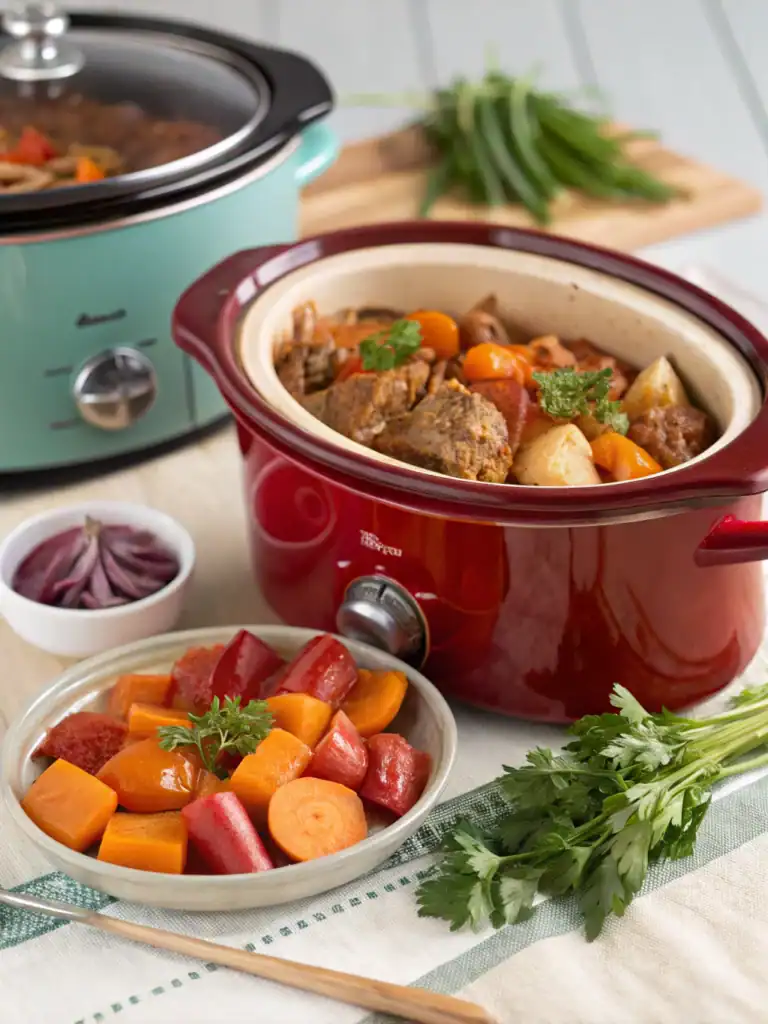
A crockpot offers a hands-off way to prepare dinners, especially when dealing with smaller servings. By focusing on simple ingredients and adaptable recipes, people can create satisfying meals that fit their lifestyle and schedule. Knowing how to use one effectively can transform daily cooking into a smoother, more enjoyable routine.
Understanding how to maximize crockpot use for singles or couples means learning a few key strategies on timing, ingredient storage, and flavor building. These tips help make every meal both convenient and delicious, no matter how many it’s made for.
Key Takeways
- Select a crockpot size that suits small portions to avoid waste.
- Plan meals with versatile ingredients for easy cooking and flavor.
- Use simple strategies to store, reheat, and repurpose leftovers efficiently.
Choosing the Right Crockpot for Small Portions
Selecting a crockpot that fits small portion needs helps avoid food waste and uneven cooking. The right size and features improve meal quality and convenience. Energy use also shifts with size, so choosing efficiently matters for daily cooking.
Compact Crockpot Sizes
For one person, a crockpot between 1.5 to 2.5 quarts is ideal. It heats food evenly and avoids excess leftovers.
For two people, a 2.5 to 3.5-quart size works well. This size accommodates main dishes like stews or roasts without overcrowding.
Using a crockpot too large for small meals can cause shrinkage or dryness. Compact models fill space better, which helps maintain moisture and flavor.
Best Features for Singles and Couples
A removable stoneware insert simplifies cleaning. It also allows easy meal prep and storage.
Multiple heat settings, including low, medium, and high, give control over cooking time. A timer or auto-shutoff feature adds safety and convenience.
Portable or lightweight designs suit small kitchens or limited counter space. Transparent lids let cooks monitor food without lifting the lid.
Energy Efficiency Considerations
Smaller crockpots use less electricity per meal compared to larger ones. Using the right size reduces cooking time and energy waste.
Many small slow cookers use 100 to 150 watts, making them cost-effective for daily use.
Long cook times still consume energy, so programmable timers that switch to warm mode help save power.
Choosing an energy-efficient model helps manage household energy bills while delivering steady cooking performance.
Essential Ingredients and Pantry Staples
Having a well-organized pantry stocked with the right ingredients helps make slow cooker meals simple and efficient. Key proteins, vegetables, and flavoring items should be chosen to maximize flexibility and reduce waste when cooking for one or two.
Staple Proteins and Vegetables
For small households, keeping versatile proteins like chicken breasts, ground beef, and canned beans is vital. These items store well and fit many recipes. Frozen vegetables such as carrots, peas, and green beans last long and add nutrition without extra prep. Canned tomatoes and corn are also handy and require no refrigeration.
Small portions or individually wrapped packs prevent spoilage and match the slow cooker’s long cook time better. It’s helpful to have protein that cooks evenly and vegetables that don’t get mushy when slow-cooked.
Smart Storage Solutions
Using airtight containers and vacuum-sealed bags keeps ingredients fresh longer. Labeling items with purchase or freeze dates helps track freshness, reducing waste. For small batches, portioning food before freezing means it’s easier to thaw only what’s needed.
Stackable containers save space and ensure easy access. A clear storage system prevents buying duplicates and makes meal prep faster. Freeze sauces or pre-made spice mixes in small jars or ice cube trays for convenience.
Small-Batch Spices and Sauces
Buying spices in small quantities keeps them fresh and flavorful. Essential spices for slow cooker meals include garlic powder, paprika, cumin, and dried herbs like oregano and thyme. These cover a range of cuisines and add depth without overpowering.
Sauces like soy sauce, canned tomato sauce, and hot sauce are helpful for adding flavor. Small bottles or sharing sizes reduce waste since these can go bad before being fully used. Keeping these staples ready allows for quick meals without complicated shopping.
Portion Planning for One or Two
Cooking with a slow cooker for one or two people requires careful portion control. It helps avoid waste and keeps meals fresh. Small adjustments to recipes and thoughtful measuring make meal planning easier and save time.
Adapting Recipes for Fewer Servings
Many slow cooker recipes are designed for four or more servings. To adapt these, reduce ingredient amounts by half or use one-third of the original recipe. When cutting a recipe, some seasonings, especially salt and spices, should be adjusted more cautiously to avoid overpowering the dish.
He or she can also split a large batch recipe and freeze part for later. Using a smaller slow cooker, like a 2-3 quart model, is ideal for smaller portions and avoids overcooking.
Measuring and Scaling Ingredients
Accurate measuring is key when scaling down recipes. Use kitchen scales for solid ingredients to maintain consistency. Liquids like broth or sauce should be measured with smaller measuring cups or marked containers.
It helps to write down scaled amounts before cooking to avoid mistakes. For example, if the recipe calls for 4 cups of broth and is halved, measure exactly 2 cups. This precision keeps the balance of flavors and moisture just right.
Portioning for Leftovers
Proper portioning extends meal usability and cuts down food waste. Cooked grains or stews can be frozen in single or double servings using small containers or freezer bags.
Using muffin tins to freeze grains like rice or barley creates ready-to-use portions. Label each package with the date and contents. This system allows quick thawing and reheating without cooking extra food every time.
Crockpot Meal Prep Strategies
Efficient preparation makes cooking for one or two easier and faster. Planning ahead ensures meals are ready when needed, reduces waste, and keeps portions just right.
Batch Cooking and Freezing
Batch cooking saves time by making larger amounts of food that can be divided into smaller portions. After cooking, the meals can be cooled and frozen in individual containers. This approach works well with soups, stews, and chili.
Label each container with the date and contents to keep track of freshness. When ready to eat, simply thaw the portion overnight in the fridge or reheat directly from frozen in the crockpot or microwave.
Batch cooking cuts down daily prep and keeps meals consistent. It also helps avoid leftovers, which is important for small households.
Prepping Ingredients Ahead
Preparing ingredients before cooking shortens mealtime. Vegetables can be washed, peeled, and chopped a day or two in advance and stored in airtight containers in the fridge.
Meats can be trimmed and portioned early, then kept chilled until use. Some dry ingredients, like herbs and spices, can be pre-measured and combined to simplify seasoning during cooking.
Storing ingredients ready to go saves time when it’s time to cook. It also helps prevent last-minute decisions that can delay meal prep.
Time-Saving Chopping and Slicing
Using simple tools like a sharp knife or food processor speeds up chopping and slicing. Cutting vegetables into uniform pieces ensures even cooking in the crockpot.
Batch slicing items like onions, peppers, and carrots, which are common in many crockpot recipes, can take just 10-15 minutes if done in bulk.
Keeping pre-cut vegetables in sealed containers or zip-top bags helps maintain freshness. This method reduces the effort required during busy weekdays and keeps meal prep manageable.
One-Pot Meal Ideas for Singles and Couples
These meal ideas are designed to save time, reduce cleanup, and suit smaller servings. Each option uses the crockpot for easy cooking, focusing on balanced flavors and simple preparation.
Hearty Soups and Stews
Hearty soups and stews work well in a crockpot. They allow ingredients to cook slowly, blending flavors deeply. Recipes like beef stew with root vegetables or chicken and barley soup fit perfectly for one or two servings.
Using cuts of meat that become tender over long cooking times is ideal. Adding fresh herbs later keeps the taste fresh. Vegetables like carrots, potatoes, and celery add substance and nutrients without extra effort.
These meals store well for up to a few days, making leftovers convenient. A single pot keeps cleanup easy, and the slow cooker manages the cooking with minimal supervision.
Light and Healthy Meals
Light meals in a crockpot can include dishes like vegetable chili, quinoa and black bean stew, or poached fish with vegetables. These use fresh produce, whole grains, and lean proteins for balanced nutrition.
Portion sizes matter in small-batch cooking. Using smaller slow cookers helps avoid waste. Meals can be seasoned with herbs and spices to keep them flavorful yet healthy.
Adding greens at the end of cooking preserves vitamins. These meals often require less cooking time and can be paired with simple sides like salads or steamed vegetables.
Breakfast and Brunch Options
Crockpot breakfasts are easy to prepare the night before and ready by morning. Oatmeal with fruit, breakfast casseroles with eggs and vegetables, or yogurt-based dishes work well.
Slow cookers allow slow heating, giving ingredients time to meld without burning. Preparing overnight oatmeal or a baked egg casserole is convenient for singles or couples who prefer a warm, filling start.
These dishes offer a variety of flavors and textures without needing constant attention. Using a small crockpot helps control portion sizes and prevents food from sitting too long after cooking.
Desserts in the Crockpot
Desserts can be simple, using the crockpot’s gentle heat. Fruit crisps, rice pudding, or chocolate lava cakes work well in one pot.
Slow cookers allow desserts to cook evenly and stay moist. Minimal stirring is needed, which keeps them easy to manage. Using fresh or frozen fruits for crisps adds natural sweetness.
Crockpot desserts fit well into small portions for one or two people. They make use of the appliance’s convenience for warming and slow cooking without extra kitchen work.
Cooking Techniques for Optimal Flavor
Achieving rich, balanced taste in a slow cooker requires attention to ingredient order, heat control, and portion size. Small changes in how ingredients are prepared and timed can make a big difference in the final flavor.
Layering Ingredients
The placement of ingredients in a slow cooker affects cooking speed and flavor. Dense items like root vegetables should go at the bottom since they take longer to cook and need more heat.
Meats should generally be placed on top of vegetables. This positioning allows juices from the meat to drip down, adding flavor to the veggies while preventing the meat from becoming dry.
Seasonings and delicate ingredients, such as herbs and dairy, should go in later in the cooking process to keep their flavors fresh and avoid bitterness or curdling.
Timing and Temperature Tips
Cooking at a low temperature for a longer period helps develop deep flavors but requires the correct timing. Avoid overcooking meats and vegetables to prevent mushiness or loss of texture.
Using the slow cooker’s “Keep Warm” feature after cooking stops the food from overcooking without losing heat. For one or two servings, shorter cooking times and frequent checks may be necessary to avoid drying out small portions.
If cooking two dishes at once, a foil divider can separate foods inside the pot without mixing flavors, allowing for different cooking times for each side.
Maximizing Taste in Small Batches
When cooking for one or two, the smaller volume can affect how flavors concentrate. Using a 2 to 2.5-quart slow cooker is ideal as it prevents waste and allows for better heat distribution.
To boost flavor, reduce liquids slightly since smaller batches evaporate less. Also, chopping ingredients into uniform pieces promotes even cooking and flavor release.
Finally, layering ingredients properly and timing additions, such as adding quick-cooking vegetables or herbs late, prevents overcooking and enhances the dish’s overall taste.
Storage and Reheating Best Practices
Proper handling of leftovers is important for safety and taste, especially when cooking small meals for one or two. Storing food in the right containers and reheating it carefully avoids waste and keeps flavors intact. Attention to temperature and timing helps prevent foodborne illness.
Proper Storing for Small Portions
After cooking, food should be removed from the crockpot and cooled quickly. Leftovers must be placed in shallow, airtight containers to ensure they cool evenly and stay fresh. These containers save space in the fridge and make portion control easier.
Refrigerate food within two hours of cooking to limit bacteria growth. Label containers with the date to track freshness. Most cooked meals last 3 to 4 days in the fridge. For longer storage, freeze portions in meal-sized packages.
Avoid storing food in the slow cooker insert itself, as it can take too long to cool and risks unsafe temperature zones.
Reheating Without Overcooking
Using the stovetop or microwave is better for reheating small portions than using the slow cooker. These methods heat food faster and allow for better temperature control. Overheating in a slow cooker can dry out food or cause uneven warming.
When reheating, food should reach an internal temperature of 165°F (74°C) to kill pathogens. Stirring food during reheating helps heat it evenly. Adding a small amount of water or broth can keep moisture in soups or stews.
Reheat only the portion to be eaten, not the entire batch multiple times. This reduces the chance of spoilage and flavor loss.
Safe Handling for Meal Prep
Prepare meals in clean containers and use fresh ingredients to reduce risks. Avoid leaving cooked food out at room temperature for more than two hours.
When packing meals, separate sauces and toppings to keep textures fresh. Freeze meals flat in small bags to save space and thaw quickly.
Use a food thermometer to check internal temperatures during reheating or cooking. Avoid reheating food more than once to prevent bacterial growth.
Following these steps helps maintain the quality and safety of meals when cooking for one or two.
Cleaning and Maintaining Your Crockpot
Keeping a crockpot clean and well-maintained helps it last longer and work better. Proper care involves cleaning after each use and taking steps to avoid stains and odors.
Daily Cleaning Tips
After cooking, the removable stoneware and lid should be washed with warm, soapy water. Using a soft sponge or cloth prevents scratching the surface.
If food is stuck, soaking the stoneware for 15-30 minutes loosens residue. For stubborn spots, a paste of baking soda and water can be gently applied.
The electrical base should never be submerged in water. Instead, wipe it down with a damp cloth and dry thoroughly.
Cleaning the crockpot soon after use is best because dried-on food becomes harder to remove over time. Regular cleaning keeps the appliance ready for the next meal.
Preventing Odors and Stains
To avoid lingering smells, the crockpot should be dried completely before storage. Storing it with the lid slightly ajar allows air to circulate.
Avoid cooking acidic foods like tomatoes or citrus directly on the stoneware without a liner. Acid can wear down the surface and cause discoloration.
Using a slow cooker liner or parchment paper can reduce buildup and make cleaning easier.
Checking the lid fits well ensures moisture stays inside during cooking, helping prevent stains from dried spills outside the pot.
Regular care and attention keeps a crockpot fresh and working efficiently over time.