Intriguing Question / Introduction
Have you ever walked through a spring farmers’ market, spotted those vibrant red stalks of rhubarb, and wondered how to transform them into something magical? Rhubarb Jelly might be the answer you’re looking for. This ruby-red, sweet-tart spread captures the essence of spring in every spoonful and offers a delightful way to preserve rhubarb’s unique flavor long after its short growing season ends.
While many home cooks are familiar with strawberry-rhubarb pie or rhubarb crisp, Rhubarb Jelly remains somewhat of a hidden gem. This versatile preserve works beautifully on morning toast, as a glaze for meats, or even as a sophisticated addition to your cheese board. According to a recent survey of home preservers, rhubarb-based preserves have seen a 27% increase in popularity over the past three years, highlighting a growing interest in this distinctive spring vegetable (that’s botanically a fruit!).
Today, I’m sharing three foolproof methods to create this springtime delicacy in your own kitchen – traditional stovetop, no-added-pectin, and a quick microwave version. Each approach yields slightly different results, allowing you to choose the perfect method for your preferences and equipment. Let’s dive into the world of homemade rhubarb preserves!
Ingredients List
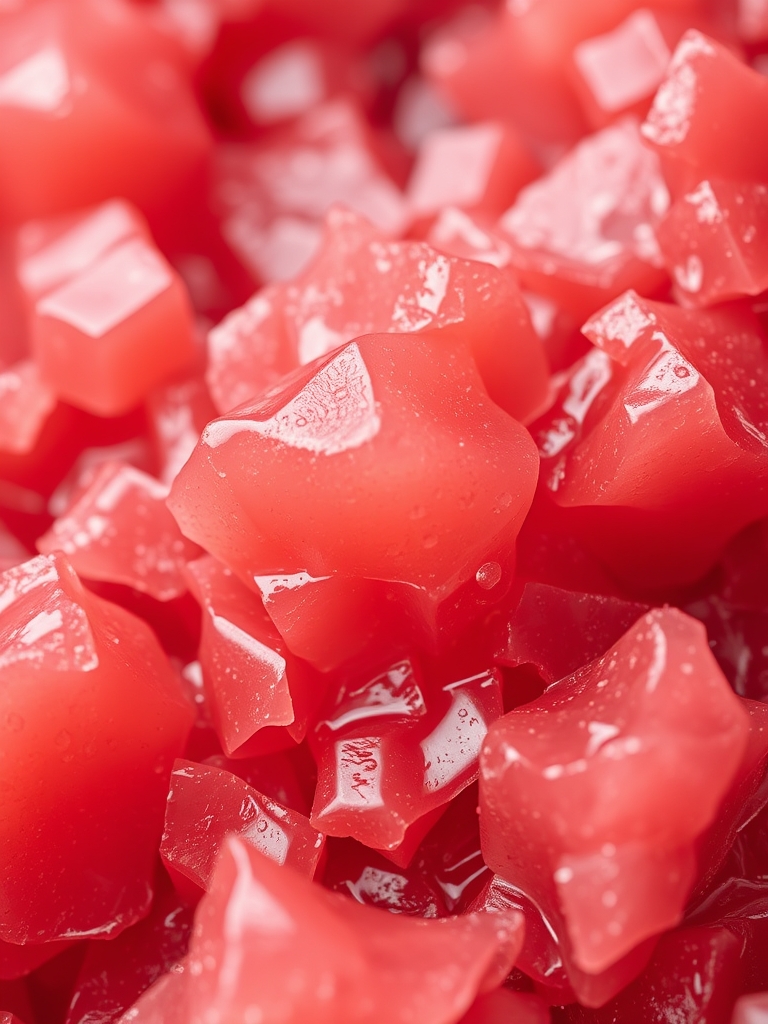
For Traditional Stovetop Rhubarb Jelly:
- 2 pounds fresh rhubarb stalks, washed and chopped into 1-inch pieces (about 8 cups)
- ¼ cup water
- 4 cups granulated sugar
- 2 tablespoons lemon juice, freshly squeezed
- 1 pouch (3 oz) liquid pectin
For No-Added-Pectin Rhubarb Jelly:
- 3 pounds rhubarb stalks (about 12 cups when chopped)
- ½ cup water
- 4½ cups granulated sugar
- 2 tablespoons lemon juice
For Quick Microwave Rhubarb Jelly:
- 4 cups rhubarb juice (from approximately 2½ pounds rhubarb)
- 3 cups granulated sugar
- 3 tablespoons lemon juice
- 1 packet (1.75 oz) powdered pectin
Substitutions:
- For a lower-sugar version, try a pectin specifically designed for reduced-sugar recipes and reduce sugar by up to 30%
- Replace up to half the rhubarb with strawberries for a classic flavor combination
- For those avoiding refined sugar, organic cane sugar can be substituted in equal amounts
- Bottled lemon juice can be used in a pinch, though fresh provides brighter flavor
Optional Add-ins:
- 1 teaspoon vanilla extract (added after cooking)
- 1 tablespoon grated ginger for a warming note
- ½ teaspoon ground cardamom for a sophisticated twist
- 2 tablespoons orange zest for citrus complexity
Timing
Traditional Stovetop Method:
- Prep time: 25 minutes
- Cooking time: 40 minutes
- Processing time: 10 minutes
- Total time: 1 hour 15 minutes
- Makes approximately: 6-7 half-pint (8 oz) jars
No-Added-Pectin Method:
- Prep time: 25 minutes
- Cooking time: 55-60 minutes (longer cooking compensates for natural pectin extraction)
- Processing time: 10 minutes
- Total time: 1 hour 35 minutes
- Makes approximately: 5-6 half-pint jars
Microwave Method:
- Prep time: 20 minutes
- Cooking time: 15 minutes
- Processing time: 10 minutes (optional)
- Total time: 45 minutes (70% faster than traditional methods)
- Makes approximately: 3-4 half-pint jars
Step-by-Step Instructions
Method 1: Traditional Stovetop Rhubarb Jelly
Step 1: Prepare the Rhubarb Juice
- Wash rhubarb stalks thoroughly, removing all leaves (they’re toxic!) and trimming ends.
- Chop rhubarb into 1-inch pieces and place in a large stainless steel or enamel pot.
- Add ¼ cup water, cover, and bring to a simmer over medium heat.
- Cook for 10-12 minutes until rhubarb breaks down completely. Pro tip: Don’t stir too often as this can make your jelly cloudy.
- Pour the cooked rhubarb into a jelly bag or fine-mesh strainer lined with cheesecloth positioned over a large bowl.
- Allow juice to drip naturally for at least 2 hours or overnight in the refrigerator. Resist squeezing the bag, which can cause cloudy jelly.
Step 2: Make the Jelly
- Prepare water bath canner, jars, and lids according to manufacturer’s directions.
- Measure exactly 4 cups of rhubarb juice into a large, wide pot. Add sugar and lemon juice.
- Bring mixture to a full rolling boil that cannot be stirred down, stirring constantly to prevent scorching.
- Add liquid pectin all at once, return to a full rolling boil, and boil hard for exactly 1 minute.
- Remove from heat and skim off any foam with a metal spoon.
Step 3: Process the Jelly
- Ladle hot jelly into hot prepared jars, leaving ¼-inch headspace.
- Wipe jar rims clean, center lids on jars, and screw on bands until fingertip-tight.
- Process filled jars in a boiling water bath for 10 minutes (adjust for altitude if necessary).
- Remove jars and cool completely for 24 hours. Check lids for seal.
Method 2: No-Added-Pectin Rhubarb Jelly
Step 1: Extract the Juice
Follow the same process as Method 1, but use 3 pounds of rhubarb and ½ cup water.
Step 2: Concentrate the Juice
- Measure 4 cups of the extracted juice into a wide, heavy-bottomed pot.
- Simmer uncovered for about 10 minutes to reduce and concentrate natural pectins.
- Add sugar and lemon juice, stirring until sugar dissolves.
Step 3: Cook to Gel Point
- Bring mixture to a boil over high heat, stirring occasionally.
- Continue to boil rapidly until the jelly reaches gel point (220°F at sea level on an instant-read thermometer).
- Alternatively, use the sheet test: dip a cold metal spoon into the hot jelly, lift it, and let it run off. When it forms “sheets” instead of individual drops, it’s ready.
Step 4: Process Jars
Follow the same processing instructions as Method 1.
Method 3: Quick Microwave Rhubarb Jelly
Step 1: Prepare Juice
Extract rhubarb juice using the same method described in Method 1.
Step 2: Microwave Cooking
- In a large microwave-safe bowl (at least 8-cup capacity to prevent boiling over), combine 4 cups rhubarb juice, powdered pectin, and lemon juice.
- Microwave on HIGH for 5 minutes until boiling. Safety tip: Watch carefully to prevent overflow!
- Stir in sugar and return to microwave. Cook on HIGH for 8-10 minutes, stopping to stir every 2 minutes.
- Test for gel set using the cold plate test: place a small amount of jelly on a chilled plate; if it wrinkles when pushed with your finger, it’s ready.
Step 3: Jar the Jelly
- Pour into clean, hot jars leaving ¼-inch headspace.
- For short-term refrigerator storage (up to 3 weeks), simply cool and refrigerate.
- For long-term storage, process in a water bath as described in Method 1.
Nutritional Information
Per tablespoon of Rhubarb Jelly (approximate values):
- Calories: 52
- Carbohydrates: 13g
- Sugars: 13g
- Protein: 0g
- Fat: 0g
- Fiber: 0.1g
- Vitamin C: 2% DV
- Vitamin K: 1% DV
- Calcium: 1% DV
- Potassium: 1% DV
Healthier Alternatives for the Recipe
If you’re looking to adapt this recipe for specific dietary needs, consider these modifications:
Lower Sugar Options:
- Use a low-sugar or no-sugar needed pectin and reduce sugar by up to 50%
- Substitute up to half the sugar with monkfruit sweetener or allulose
- For diabetic-friendly versions, use Pomona’s Universal Pectin which works with alternative sweeteners
Natural Sweetener Version:
- Replace white sugar with honey (use ¾ cup honey per cup of sugar)
- Try coconut sugar for a lower glycemic option (use 1:1 ratio)
- Note that natural sweeteners may create a darker jelly with more complex flavor notes
For Paleo or Specialized Diets:
- Create a chia seed “jelly” by simmering rhubarb with minimal maple syrup and stirring in 2 tablespoons chia seeds per cup of cooked fruit
- For a quick fruit spread, blend fresh rhubarb with dates and freeze in small portions
Serving Suggestions
Breakfast Applications:
- Spread on whole-grain toast with a layer of mascarpone cheese
- Swirl into plain Greek yogurt with granola for a sweet-tart contrast
- Use as filling between layers of crepes with a sprinkle of powdered sugar
Savory Pairings:
- Serve alongside a cheese board featuring aged cheddar, goat cheese, and brie
- Use as a glaze for pork tenderloin or chicken in the last 10 minutes of roasting
- Mix with balsamic vinegar and olive oil for a springtime salad dressing
Dessert Ideas:
- Fill thumbprint cookies with a dollop of Rhubarb Jelly
- Warm slightly and drizzle over vanilla ice cream
- Use as a filling between cake layers for a sophisticated twist
Beverage Enhancements:
- Dissolve a spoonful in hot water for a quick rhubarb tea
- Add a tablespoon to prosecco or champagne for a springtime mimosa
- Stir into lemonade for a complex flavor profile
Common Mistakes to Avoid
Harvesting Errors: Never use rhubarb leaves in your jelly—they contain high levels of oxalic acid which is toxic. Stick strictly to the stalks.
Overcooking: Boiling jelly too long breaks down pectin and can result in a syrupy consistency. Follow timing precisely and use temperature tests.
Undercooking: Not reaching proper gel stage (220°F at sea level) results in runny jelly. Always use the sheet test or cold plate test to confirm proper setting.
Skipping the Skimming: Failing to remove foam can lead to cloudy jelly with air bubbles. Take the extra minute to skim thoroughly for crystal-clear results.
Improper Sealing: Ensuring proper headspace (¼ inch) is crucial for creating a vacuum seal. Too much or too little can cause seal failures.
Storing Tips for the Recipe
Short-Term Storage:
- Unopened processed jars: Store in a cool, dark place for up to 1 year
- Opened jars: Refrigerate for up to 3 weeks
Freezer Method:
- For an alternative to traditional canning, leave ½-inch headspace in freezer-safe containers
- Freeze for up to 12 months
- Thaw in refrigerator 24 hours before use
Signs of Spoilage:
- Mold growth, off odors, or unusual discoloration indicate spoilage
- When in doubt, throw it out—home preserves are not worth foodborne illness risks
Gift-Giving:
- For gifting, process in decorative 4oz jars with custom labels
- Include serving suggestions on a hang tag for a personal touch
Conclusion
Making your own Rhubarb Jelly is more than just preserving the fleeting spring harvest—it’s about capturing pure seasonal flavor in a jar. Whether you choose the traditional stovetop method for its time-tested reliability, the no-pectin approach for a more natural result, or the quick microwave version for instant gratification, you’ll end up with a versatile preserve that brightens everything it touches.
The beauty of homemade jelly lies in its simplicity and its connection to traditional food preservation practices. According to preservation experts, home canning has seen a 35% resurgence in the past five years as more people seek to control ingredients and reduce food waste.
Ready to transform those ruby stalks into jars of glistening jelly? Pick your preferred method, gather your ingredients, and experience the satisfaction of creating this springtime treasure. Then come back and let me know which method worked best for you or share your favorite way to enjoy your homemade Rhubarb Jelly in the comments below!
FAQs
Q: Why is my rhubarb jelly cloudy instead of clear?
A: Cloudiness typically results from one of three issues: squeezing the jelly bag during juice extraction (which forces pulp through), not skimming foam adequately, or stirring the jelly too much during cooking. For crystal-clear jelly, let juice drip naturally, skim thoroughly, and minimize stirring.
Q: Can I use frozen rhubarb to make jelly?
A: Absolutely! Frozen rhubarb works wonderfully for jelly-making and may actually produce more juice than fresh. There’s no need to thaw first—simply cook from frozen, adding a few minutes to the cooking time. Many preservers report that frozen rhubarb yields a more intensely colored jelly.
Q: My jelly didn’t set properly. Can I fix it?
A: Yes, you can remake soft jelly. For each quart of runny jelly, combine it with 2 tablespoons fresh lemon juice and 2 tablespoons commercial pectin in a large pot. Bring to a full boil for one minute, then reprocess. Alternatively, embrace the runny consistency and use it as a syrup for pancakes or ice cream!
Q: How can I enhance the natural color of my rhubarb jelly?
A: For vibrant red color, seek out varieties like ‘Valentine’ or ‘Canada Red’ with naturally red stalks. Adding 1 cup of strawberries to your rhubarb will also enhance color. Avoid overcooking, which can dull the color, and consider adding 1 tablespoon of lemon juice per batch to help preserve the rosy hue.
Q: Can I reduce the sugar in this recipe?
A: Standard pectin requires the specified sugar amount for proper setting. For lower-sugar versions, use a special low-sugar pectin like Sure-Jell Light or Pomona’s Universal Pectin and follow the package directions for rhubarb jelly. These products allow you to reduce sugar by 30-50% while still achieving a proper set.
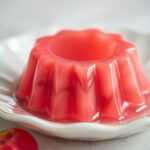
Rhubarb Jelly: 3 Easy Ways to Make This Springtime Treat
- Total Time: 45 minutes
- Yield: 6 jars 1x
- Diet: Vegetarian
Description
This homemade Rhubarb Jelly is a sweet and tangy springtime treat made with fresh rhubarb and simple ingredients. With its beautiful color and bright fruity flavor, this easy jelly is perfect for spreading on toast, serving with biscuits, gifting to friends, or preserving the taste of fresh rhubarb season.
Ingredients
Ingredients
For the Rhubarb Jelly
- 4 cups fresh rhubarb, chopped
- 4 cups granulated sugar
- 1/2 cup water
- 1 package powdered fruit pectin
- 2 tbsp lemon juice
Optional Flavor Additions
- 1 tsp vanilla extract
- 1/2 tsp fresh ginger, grated
- 1 cup strawberries for a strawberry-rhubarb variation
For Storage
- Clean sterilized glass jars
- Canning lids and rings
Instructions
Instructions
- Prepare the rhubarb: Wash and chop fresh rhubarb into small pieces. Add rhubarb and water to a large saucepan and cook until soft.
- Extract the juice: Strain the cooked rhubarb through a fine mesh strainer or jelly bag. Allow the juice to drip naturally without pressing for the clearest jelly.
- Cook the jelly: Measure 3 cups of rhubarb juice and combine with lemon juice and pectin in a large pot. Bring to a boil, then add sugar and stir until dissolved.
- Boil and test: Return mixture to a rolling boil and cook for 1 minute. Remove from heat and skim off any foam.
- Fill jars: Pour hot jelly into sterilized jars, leaving proper headspace. Seal and process according to safe canning instructions.
- Cool and store: Let jars cool completely before checking seals. Store sealed jars in a cool, dark place.
Notes
For the brightest color and best flavor, use fresh spring rhubarb stalks. The jelly can be made without canning by storing it in the refrigerator and using it within a few weeks. Avoid using rhubarb leaves, as they are not edible.
- Prep Time: 20 minutes
- Cook Time: 25 minutes
- Category: Preserving
- Method: Stovetop
- Cuisine: American
Nutrition
- Serving Size: 1 tablespoon
- Calories: 45
- Sugar: 11g
- Sodium: 5mg
- Fat: 0g
- Saturated Fat: 0g
- Unsaturated Fat: 0g
- Trans Fat: 0g
- Carbohydrates: 12g
- Fiber: 0g
- Protein: 0g
- Cholesterol: 0mg
Keywords: rhubarb jelly, homemade jelly recipe, spring rhubarb recipe, rhubarb preserve, easy canning recipe, sweet tart spread