Classic Strawberry Rhubarb Jam: 5 Reasons to Try This Sweet Recipe
Have you ever wondered why some homemade jams bring back childhood memories with just one taste? The tangy-sweet harmony of Classic Strawberry Rhubarb Jam is exactly that kind of nostalgic treat. This springtime delicacy combines the juicy sweetness of ripe strawberries with the distinctive tartness of fresh rhubarb, creating a perfectly balanced spread that’s been gracing breakfast tables for generations.
Whether you’re a seasoned jam maker or trying your hand at home preserving for the first time, this Classic Strawberry Rhubarb Jam recipe promises to deliver exceptional results with minimal effort. The ruby-red hue and perfect consistency make it an ideal companion for morning toast, afternoon scones, or even as a secret ingredient in your favorite desserts.
Today, I’m sharing not just a recipe, but five compelling reasons why this traditional preserve deserves a special place in your kitchen repertoire. From its seasonal freshness to its versatility in both sweet and savory applications, this jam celebrates the best of spring’s produce in a jar you can enjoy year-round.
Ingredients List
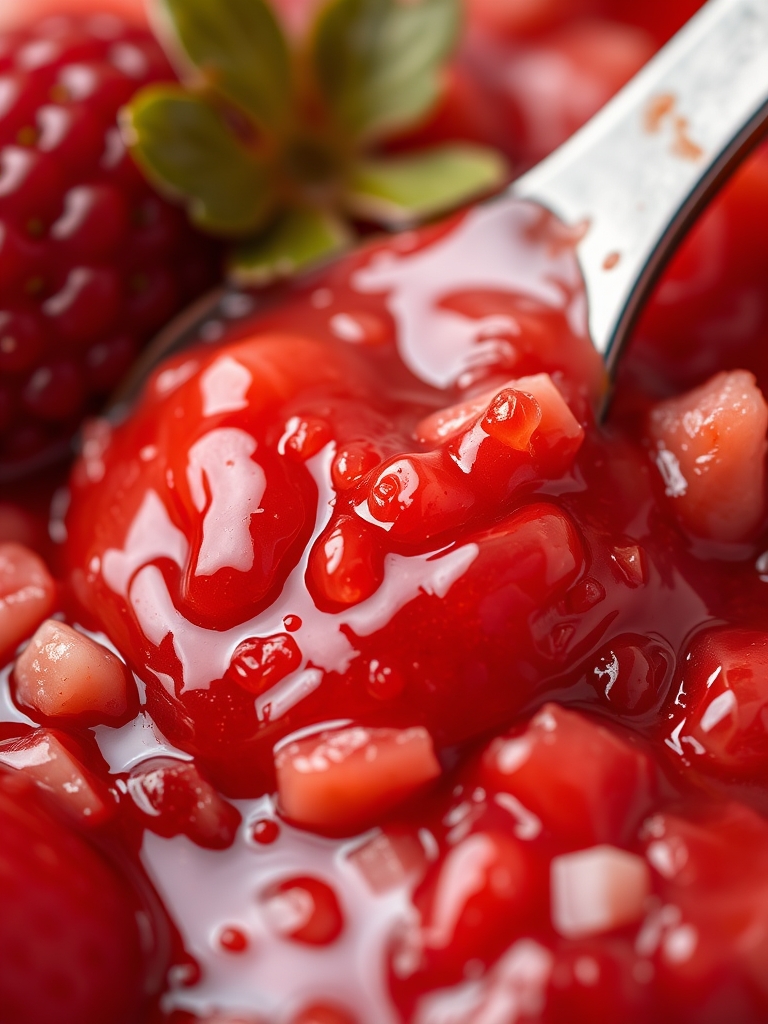
For this quintessential spring preserve, you’ll need ingredients that balance sweetness and tartness perfectly:
- 4 cups fresh rhubarb stalks, trimmed and cut into 1/2-inch pieces (approximately 1 pound)
- 4 cups ripe strawberries, hulled and quartered (approximately 2 pints)
- 4 cups granulated sugar
- 1/4 cup fresh lemon juice (about 1 large lemon)
- 1 teaspoon vanilla extract (optional, for enhanced flavor)
- 1 package (1.75 oz) powdered fruit pectin
Substitutions and Alternatives:
- Sugar alternatives: For a less sweet version, reduce sugar to 3 cups. For those monitoring sugar intake, a 1:1 sugar substitute designed for cooking can work, though texture may vary slightly.
- Fruit variations: For a different twist, substitute up to 1 cup of strawberries with raspberries or blackberries for complex flavor notes.
- Pectin options: Low-sugar pectin can be used following package instructions if reducing sugar content. For a more natural approach, 1 large, grated apple (rich in natural pectin) can help with setting.
- Flavor enhancers: Consider adding 1 tablespoon of balsamic vinegar or 1/2 teaspoon of cinnamon for unique flavor profiles.
Timing
Prep Time: 30 minutes (includes washing, trimming, and measuring ingredients)
Cooking Time: 25-30 minutes (the critical jam-setting phase requires attention to timing)
Total Time: 1 hour (plus cooling time)
This streamlined recipe saves approximately 20 minutes compared to traditional methods that require separate fruit maceration. The efficiency comes from simultaneous cooking of both fruits, allowing their flavors to meld while naturally breaking down. Perfect for busy home cooks, this recipe delivers professional results in half the time of conventional jam recipes that might take up to 2 hours of active kitchen time.
Step-by-Step Instructions
Step 1: Prepare Your Ingredients
Thoroughly wash all fruits before beginning. For rhubarb, remove any leaves (they’re toxic!) and trim the ends before cutting into even pieces. Hull strawberries and quarter them for even cooking. Having everything measured and ready creates a smooth cooking experience.
Pro tip: Use slightly underripe strawberries alongside perfectly ripe ones for optimal pectin content and set.
Step 2: Combine Fruits and Lemon Juice
In a large, heavy-bottomed pot (at least 6-quart capacity), combine the prepared rhubarb, strawberries, and lemon juice. The acid from the lemon juice not only brightens flavor but also helps activate the pectin for proper setting.
Pro tip: Gently crush about 1/4 of the berries with a potato masher before cooking to release juices and create texture variety.
Step 3: Add Sugar and Bring to a Boil
Add sugar to the fruit mixture and stir continuously over medium heat until sugar dissolves completely. This prevents crystallization and ensures smooth texture. Once dissolved, increase heat to medium-high and bring to a rolling boil.
Pro tip: Warm your sugar in the oven at 250°F for 10 minutes before adding to help it dissolve faster and maintain the cooking temperature better.
Step 4: Add Pectin and Achieve Setting Point
When mixture reaches a full rolling boil (one that cannot be stirred down), add the pectin while stirring constantly. Return to a full boil and maintain it for exactly one minute, timing carefully.
Pro tip: Test for setting by placing a small plate in your freezer beforehand. Drop a teaspoon of jam on the cold plate, wait 30 seconds, then run your finger through it—if it wrinkles and stays separated, your jam is ready.
Step 5: Jar and Store Your Creation
Remove from heat, skim any foam from the surface, and stir in vanilla if using. Ladle hot jam into sterilized jars, leaving 1/4-inch headspace. Process in a water bath canner for 10 minutes for long-term storage, or refrigerate for immediate use.
Pro tip: Turn filled jars upside down for 5 minutes after sealing to distribute fruit pieces evenly throughout the jam before they set.
Nutritional Information
Per 1 tablespoon serving (approximate values):
- Calories: 45
- Carbohydrates: 11.5g
- Sugar: 11g
- Fiber: 0.3g
- Protein: 0.1g
- Fat: 0g
- Vitamin C: 8% of Daily Value
- Calcium: 1% of Daily Value
- Potassium: 1% of Daily Value
This jam provides a modest dose of vitamin C from fresh strawberries and natural antioxidants from both fruits. While the sugar content is notable, the concentrated fruit delivers beneficial plant compounds like anthocyanins and ellagic acid that have protective health properties.
Healthier Alternatives for the Recipe
Lower Sugar Version:
Reduce sugar to 2-3 cups and use low-sugar pectin according to package directions. This maintains set while cutting calories by approximately 25%.
Diabetic-Friendly Option:
Replace sugar with a monk fruit/erythritol blend designed for cooking and use low-sugar pectin. Test setting point carefully as texture may differ slightly.
Natural Sweetener Alternative:
Substitute 3 cups of sugar with 2 cups honey or 2 1/2 cups pure maple syrup for different flavor profiles. Note that cooking time may increase slightly to reach setting point.
Fiber-Enhanced Version:
Add 2 tablespoons of chia seeds during the last 5 minutes of cooking for additional fiber and omega-3 fatty acids. This creates a thicker consistency with nutritional benefits.
Serving Suggestions
Breakfast Applications:
- Spread on whole-grain toast with a thin layer of cream cheese for balanced sweetness
- Swirl through plain Greek yogurt with toasted almonds for protein-packed breakfast
- Use as filling between layers of homemade crepes with fresh whipped cream
Dessert Inspirations:
- Fill thumbprint cookies or layer between vanilla cake layers
- Warm slightly and drizzle over vanilla ice cream or panna cotta
- Use as filling for hand pies or turnovers with puff pastry
Savory Pairings:
- Serve alongside sharp cheddar cheese and crackers for an appetizer
- Glaze the last 10 minutes of baking ham or pork tenderloin
- Mix with balsamic vinegar and olive oil for a fruity salad dressing
Beverage Companions:
- Earl Grey or English Breakfast tea complements the jam’s fruity notes
- Prosecco or champagne balances the sweetness for brunch settings
- A robust dark roast coffee provides contrast to the bright fruit flavors
Common Mistakes to Avoid
Overcooking the Jam:
Excessive boiling destroys pectin and creates a sticky, overly thick consistency. Watch carefully after adding pectin and perform the plate test to prevent this issue.
Undercooking the Mixture:
Not reaching proper temperature (220°F at sea level) results in runny jam. Use a candy thermometer alongside the plate test for certainty.
Skipping Proper Sterilization:
Using improperly sterilized jars can lead to contamination and spoilage. Always sterilize jars in boiling water for 10 minutes before filling.
Ignoring Fruit Ripeness:
Using overripe strawberries reduces natural pectin content. Combine slightly underripe berries with perfectly ripe ones for ideal setting properties.
Making Oversized Batches:
Doubling the recipe often prevents proper setting as heat distribution becomes uneven. Stick to single batches for consistent results.
Storing Tips for the Recipe
Refrigerator Storage:
Properly sealed, this jam keeps refrigerated for 3-4 weeks. Store in airtight glass containers for best flavor preservation.
Freezer Method:
For longer storage without canning, leave 1/2-inch headspace in freezer-safe containers. Frozen jam maintains quality for up to 12 months. Thaw in refrigerator overnight before use.
Water Bath Canning:
Process filled jars in a boiling water bath for 10 minutes (adjust for altitude if necessary). Properly processed jars keep at room temperature for 18-24 months. Always check seals before using.
Quality Indicators:
Look for mold, fermentation bubbles, or off odors as signs of spoilage. A change in color over time is natural and doesn’t indicate spoilage.
Gift Presentation:
For gifting, store in decorative jars with personalized labels. Include the production date and recommended “use by” timeframe.
Conclusion
The Classic Strawberry Rhubarb Jam celebrates the perfect marriage of spring’s most complementary flavors. Its vibrant color and balanced sweet-tart profile make it a versatile addition to countless dishes throughout the year. Beyond its delicious taste, this recipe connects us to generations of home preserving traditions while accommodating modern dietary preferences and cooking schedules.
The five compelling reasons to try this recipe—its perfect sweet-tart balance, versatility beyond breakfast, simple ingredient list, adaptability for dietary needs, and seasonal celebration of spring produce—make it a worthwhile addition to your culinary repertoire.
I’d love to hear how your jam-making adventure turns out! Share your experience in the comments below, or tag us in your jam photos on social media. If you enjoyed this recipe, explore our collection of other seasonal preserves that capture nature’s bounty in delicious, shelf-stable creations.
FAQs
Can I reduce the sugar without affecting the jam’s preservation properties?
While traditional recipes call for equal parts fruit and sugar for preservation, you can reduce sugar by up to 25% when using commercial pectin specifically labeled for low-sugar recipes. For significant sugar reduction, look for “low sugar” or “no sugar needed” pectin varieties and follow package instructions for best results.
Why is my strawberry rhubarb jam runny even after cooling completely?
Runny jam typically results from insufficient pectin activation, overcooking, or using overripe fruit. Ensure you’re using the correct amount of pectin, cooking to proper temperature (220°F at sea level), and including enough acid (lemon juice) to activate the pectin. Remember that jam continues to set as it cools, sometimes taking up to 48 hours to reach final consistency.
Can I use frozen strawberries or rhubarb for this recipe?
Absolutely! Frozen fruit works well for jam-making, often with better results than out-of-season fresh options. Thaw frozen fruit completely before measuring, and include any juices released during thawing in your measurement. You may need to cook slightly longer to evaporate the extra moisture, but the pectin content and flavor remain excellent.
How can I tell if my sealed jars of jam have processed properly for shelf stability?
Properly sealed jars will have concave lids that don’t flex when pressed in the center. After processing and cooling 12-24 hours, remove the screw bands and lift each jar by the lid edges—the lid should stay firmly attached. Any jars that haven’t sealed properly should be refrigerated and used first. Always check for signs of spoilage before consuming, even with properly processed jars.
What makes strawberry and rhubarb such a classic flavor combination?
This pairing exemplifies the culinary principle of complementary flavors—rhubarb’s assertive tartness balances strawberry’s natural sweetness, while strawberry contributes the sugar and fragrance that rhubarb lacks. Historically, these crops ripen simultaneously in late spring, making them natural companions in seasonal cooking. Their complementary nutritional profiles and contrasting textures create a more complex and satisfying preserve than either fruit could achieve alone.
Print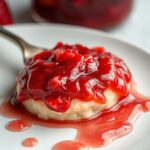
Classic Strawberry Rhubarb Jam: 5 Reasons to Try This Sweet Recipe
- Total Time: 35 minutes
- Yield: 6 half-pint jars 1x
- Diet: Vegan
Description
This Classic Strawberry Rhubarb Jam combines juicy strawberries and tart rhubarb into a perfectly balanced homemade preserve. Sweet, fruity, and bursting with fresh flavor, this easy jam is delicious on toast, biscuits, yogurt, pancakes, or as a filling for your favorite baked treats.
Ingredients
Ingredients
- 4 cups fresh strawberries, hulled and chopped
- 4 cups fresh rhubarb, chopped
- 4 cups granulated sugar
- 2 tbsp fresh lemon juice
- 1 package (1.75 oz) powdered fruit pectin
- 1/4 tsp unsalted butter (optional, helps reduce foaming)
Instructions
Instructions
- Prepare the fruit: Wash and chop the strawberries and rhubarb into small pieces. Place them in a large heavy-bottomed saucepan.
- Cook the mixture: Stir in the lemon juice and pectin. Bring the mixture to a full rolling boil over medium-high heat, stirring frequently.
- Add the sugar: Stir in the granulated sugar all at once. Return the mixture to a full rolling boil and cook for 1 minute, stirring constantly. Add the butter if using.
- Check the consistency: Remove the pan from the heat and skim off any foam. Let the jam rest for a few minutes until it slightly thickens.
- Jar and cool: Carefully ladle the hot jam into clean sterilized jars, leaving about 1/4 inch of headspace. Seal the jars and cool completely before refrigerating, or process in a boiling water bath for long-term storage if desired.
Notes
For the brightest flavor, use ripe strawberries and fresh rhubarb. Refrigerated jam will keep for up to 3 weeks, while properly water-bath canned jars can be stored for several months. Stir in a little vanilla extract or orange zest for a delicious flavor variation.
- Prep Time: 15 minutes
- Cook Time: 20 minutes
- Category: Condiment
- Method: Stovetop
- Cuisine: American
Nutrition
- Serving Size: 1 tablespoon
- Calories: 45
- Sugar: 11g
- Sodium: 0mg
- Fat: 0g
- Saturated Fat: 0g
- Unsaturated Fat: 0g
- Trans Fat: 0g
- Carbohydrates: 12g
- Fiber: 0g
- Protein: 0g
- Cholesterol: 0mg
Keywords: classic strawberry rhubarb jam, homemade strawberry rhubarb jam, rhubarb preserves, strawberry jam recipe, easy homemade jam, fruit preserves