
French Onion Soup: 5 Reasons This Classic Recipe Always Impresses
Have you ever wondered why French Onion Soup remains a timeless staple on restaurant menus across the globe? There’s something magical about breaking through that golden, cheese-topped crust to discover the rich, caramelized broth beneath. This beloved classic isn’t just delicious—it’s a culinary experience that has stood the test of time for good reason. Whether you’re hosting a dinner party or simply craving comfort food on a chilly evening, French Onion Soup delivers an impressive combination of flavor, texture, and visual appeal that few dishes can match. In this comprehensive guide, we’ll explore the five key reasons this soup consistently wows diners, alongside a foolproof recipe that will help you master this French classic at home. From the sweet complexity of properly caramelized onions to the satisfying stretch of melted Gruyère, this recipe transforms humble ingredients into culinary magic.
Ingredients List
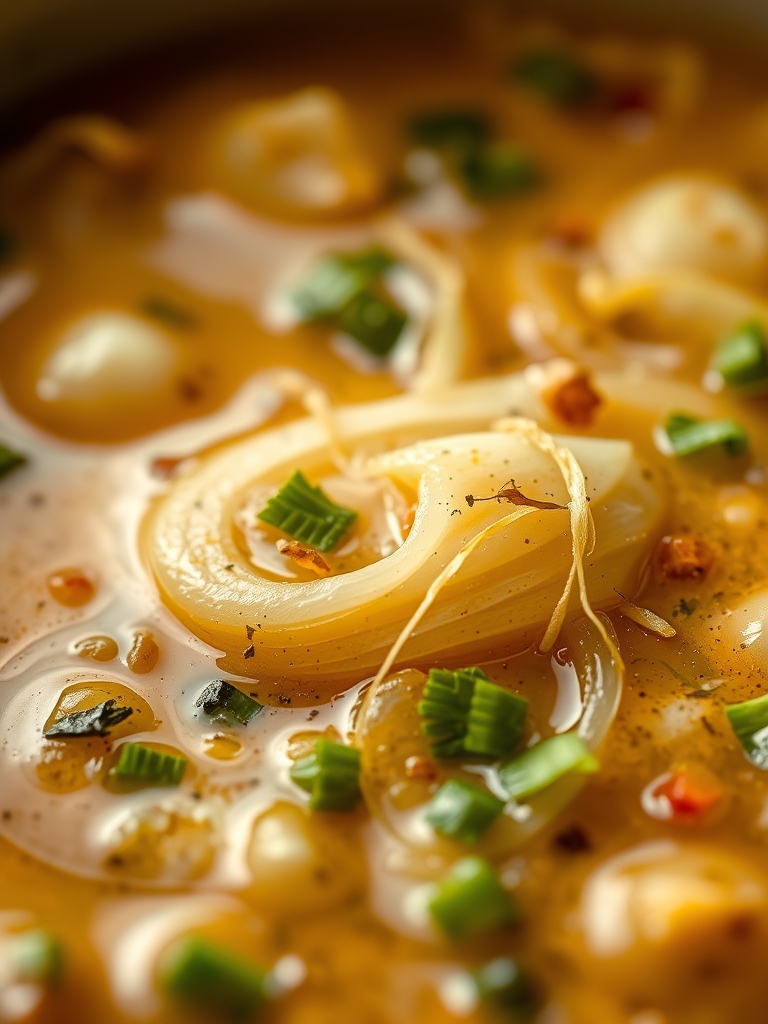
For the soup base:
- 6 large yellow onions (about 3 pounds), thinly sliced into half-moons
- 3 tablespoons unsalted butter
- 2 tablespoons olive oil
- 1 teaspoon granulated sugar (helps with caramelization)
- 1 teaspoon salt
- ¼ teaspoon freshly ground black pepper
- 2 cloves garlic, minced
- 1 tablespoon all-purpose flour
- ½ cup dry white wine (such as Sauvignon Blanc or Pinot Grigio)
- 8 cups beef stock (preferably homemade, but high-quality store-bought works well)
- 2 bay leaves
- 2 sprigs fresh thyme (or 1 teaspoon dried thyme)
- 1 tablespoon Worcestershire sauce
- Optional: 2 tablespoons cognac or brandy for depth of flavor
For the topping:
- 1 French baguette, cut into 1-inch slices
- 2 tablespoons olive oil
- 2 cloves garlic, halved (for rubbing)
- 2 cups grated Gruyère cheese (about 8 ounces)
- Optional: ½ cup grated Parmesan cheese for extra flavor
- Fresh thyme leaves for garnish
Substitution options:
- Vegetable stock can replace beef stock for a vegetarian version
- Swiss cheese works well if Gruyère is unavailable
- Red onions can replace yellow onions for a slightly sweeter flavor
- Gluten-free bread can be used for those with dietary restrictions
Timing
Total Time: 1 hour 45 minutes
- Prep Time: 15 minutes
- Cooking Time: 1 hour 30 minutes (includes 45-60 minutes for proper onion caramelization)
Unlike many quick-fix soup recipes, authentic French Onion Soup requires patience during the caramelization process. However, this is 30 minutes less than traditional recipes that can take over 2 hours. The good news? Most of the cooking time is hands-off, allowing you to prepare other dishes or simply relax while those onions transform into golden goodness. When compared to restaurant preparation times (which can exceed 3 hours for stock preparation alone), this homemade version offers significant time savings without sacrificing flavor.
Step-by-Step Instructions
Step 1: Prepare the Onions
Slice your onions thinly and uniformly, about ⅛-inch thick. The key to exceptional French Onion Soup lies in proper onion preparation. Use a sharp knife or mandoline for consistent slices, which ensures even caramelization. Pro tip: Chill your onions in the refrigerator for 30 minutes before cutting to reduce tear-inducing compounds.
Step 2: Caramelize the Onions
Heat butter and olive oil in a large Dutch oven or heavy-bottomed pot over medium-low heat. Add the sliced onions, sugar, salt, and pepper. Cook for 45-60 minutes, stirring occasionally, until the onions are deeply golden brown and reduced to about ¼ of their original volume. This step cannot be rushed—patience yields the complex, sweet flavor that forms the foundation of authentic French Onion Soup. If onions start to stick to the bottom, add a tablespoon of water and scrape up the flavorful bits.
Step 3: Build the Soup Base
Add minced garlic to the caramelized onions and cook for 1 minute until fragrant. Sprinkle flour over the onions and stir constantly for 1-2 minutes to cook out the raw flour taste. This creates a light roux that will help thicken your soup slightly. Pour in the white wine, scraping up any browned bits from the bottom of the pot (these contain concentrated flavor!). Allow the wine to reduce by half, about 2-3 minutes.
Step 4: Add Stock and Seasonings
Pour in the beef stock, add bay leaves, thyme sprigs, and Worcestershire sauce. Bring to a gentle simmer, then reduce heat to low. Cover partially and simmer for 30 minutes to allow flavors to meld. If using cognac, add it in the last 5 minutes of simmering for an elevated flavor profile without the alcohol bite. Remove bay leaves and thyme stems before proceeding.
Step 5: Prepare the Bread Topping
While the soup simmers, preheat your oven to 350°F (175°C). Brush baguette slices with olive oil on both sides and place on a baking sheet. Bake for 5-7 minutes until lightly toasted. Remove from oven and rub each slice with the cut side of garlic cloves. Increase oven temperature to broil setting.
Step 6: Assemble and Finish
Ladle soup into oven-safe bowls or crocks, filling about ¾ full. Place 1-2 toasted bread slices on top of each bowl, then generously cover with grated Gruyère and optional Parmesan. Place bowls on a baking sheet and broil for 3-5 minutes, watching carefully, until cheese is bubbly, melted and golden brown with some darker spots. Garnish with fresh thyme leaves before serving.
Nutritional Information
Per serving (approximately 1½ cups soup with cheese topping):
- Calories: 385
- Protein: 18g
- Carbohydrates: 28g
- Dietary Fiber: 2g
- Sugars: 8g
- Fat: 22g (Saturated Fat: 10g)
- Cholesterol: 45mg
- Sodium: 890mg
- Vitamin A: 8% DV
- Vitamin C: 5% DV
- Calcium: 35% DV
- Iron: 15% DV
Healthier Alternatives for the Recipe
For a lighter version of this classic, consider these modifications:
Lower-Calorie Option: Reduce cheese quantity by half and use part-skim mozzarella alongside a smaller amount of Gruyère for authentic flavor with less fat.
Vegetarian Version: Replace beef stock with vegetable stock or mushroom broth for a meat-free alternative that maintains depth. Adding 1 tablespoon of soy sauce or miso paste will enhance the umami quality.
Gluten-Free Adaptation: Use gluten-free baguette for topping and substitute the all-purpose flour with cornstarch (1 tablespoon mixed with 2 tablespoons cold water) added near the end of cooking.
Low-Carb Variation: Skip the bread topping entirely and simply top with cheese, or use thinly sliced roasted cauliflower “steaks” as a bread alternative.
Sodium-Conscious: Choose low-sodium broth and reduce added salt by half, compensating with fresh herbs and a splash of lemon juice for brightness.
Serving Suggestions
Elevate your French Onion Soup experience with these serving ideas:
- Serve as an elegant first course before a roasted meat entrée
- Create a bistro-style lunch by pairing with a crisp green salad dressed with Dijon vinaigrette
- Complement with a glass of dry white wine like Chablis or a light-bodied red like Pinot Noir
- For a complete winter meal, serve alongside a charcuterie board with cornichons, mustard, and rustic country pâté
- Garnish with additional fresh herbs like chives or parsley for a pop of color and freshness
Presentation tip: Serve in individual oven-safe crocks on small plates lined with cloth napkins to protect hands from the hot bowls—just like in French bistros.
Common Mistakes to Avoid
Rushing the caramelization: Perhaps the biggest mistake is hurrying the onion caramelization process. High heat will burn rather than caramelize onions, resulting in bitter flavors instead of sweet complexity.
Using the wrong onions: Sweet yellow onions work best for French Onion Soup. White onions lack the necessary sugar content, while red onions can make the soup appear purple.
Skimping on stock quality: Since the broth forms the foundation of this soup, using low-quality stock will result in lackluster flavor. If you can’t make homemade stock, choose a premium store-bought option.
Cutting bread too thick: Overly thick bread slices become soggy in the center while remaining too chewy. Aim for ½-¾ inch thickness for the perfect texture.
Using pre-shredded cheese: Pre-packaged shredded cheese contains anti-caking agents that prevent proper melting. Always grate your cheese fresh for that perfect, photo-worthy cheese pull.
Storing Tips for the Recipe
For optimal freshness and flavor preservation:
Refrigerator storage: Store the soup base (without bread and cheese) in an airtight container for up to 4 days. The flavor actually improves after 24 hours as the ingredients meld together.
Freezer storage: Freeze the soup base for up to 3 months in freezer-safe containers. Leave ½ inch of headspace for expansion. Thaw overnight in the refrigerator before reheating.
Reheating instructions: Warm soup gently on the stovetop over medium-low heat. Only add bread and cheese toppings to portions you plan to consume immediately.
Meal prep idea: Caramelize a double batch of onions and freeze half for your next soup preparation, cutting your next cooking time nearly in half.
Print
French Onion Soup: 5 Reasons This Classic Recipe Always Impresses
- Total Time: 1 hour 25 minutes
- Yield: 6 servings 1x
Description
This French Onion Soup is rich, savory, and deeply flavorful, featuring perfectly caramelized onions simmered in a hearty broth and topped with toasted bread and bubbling melted cheese. A timeless comfort food that’s elegant enough for guests and cozy enough for weeknight dinners.
Ingredients
Ingredients
- 4 large yellow onions, thinly sliced
- 4 tbsp unsalted butter
- 1 tbsp olive oil
- 2 cloves garlic, minced
- 1 tbsp all-purpose flour
- 6 cups beef broth
- 1/2 cup dry white wine (optional)
- 1 tsp Worcestershire sauce
- 1 bay leaf
- 1/2 tsp dried thyme
- Salt and black pepper, to taste
- 1 baguette, sliced
- 2 cups shredded Gruyère cheese
Instructions
Instructions
- Caramelize the onions: Melt butter and olive oil in a large pot over medium heat. Add onions and cook, stirring occasionally, for 35–45 minutes until deeply golden and caramelized.
- Add garlic and cook for 1 minute until fragrant.
- Sprinkle flour over the onions and stir for 1 minute.
- If using wine, pour it in and simmer for 2 minutes, scraping up any browned bits.
- Add beef broth, Worcestershire sauce, bay leaf, thyme, salt, and pepper.
- Bring to a simmer and cook for 20–25 minutes.
- Prepare the bread: Toast baguette slices until lightly crisp.
- Ladle soup into oven-safe bowls and top each with toasted bread and shredded Gruyère cheese.
- Broil: Place bowls under the broiler for 2–3 minutes until the cheese is melted and bubbly.
- Serve immediately while hot.
Notes
The secret to great French Onion Soup is patiently caramelizing the onions. Avoid rushing this step. For extra depth of flavor, use a combination of beef and chicken broth. Always use oven-safe bowls when broiling.
- Prep Time: 15 minutes
- Cook Time: 1 hour 10 minutes
- Category: Soup
- Method: Stovetop
- Cuisine: French
Nutrition
- Serving Size: 1 bowl
- Calories: 390
- Sugar: 10g
- Sodium: 920mg
- Fat: 19g
- Saturated Fat: 11g
- Unsaturated Fat: 6g
- Trans Fat: 0g
- Carbohydrates: 33g
- Fiber: 3g
- Protein: 18g
- Cholesterol: 50mg
Keywords: french onion soup, classic onion soup, caramelized onion soup, homemade soup recipe, comfort food soup
Conclusion
French Onion Soup isn’t just a recipe—it’s a testament to how patience and quality ingredients transform humble components into something extraordinary. The five reasons this dish always impresses—the sweet depth of caramelized onions, the rich umami broth, the contrast of crusty bread, the gooey cheese pull, and the elegant presentation—make it worth mastering for any home cook. While it requires time and attention, the rewards are substantial: a restaurant-quality experience in your own dining room that will delight family and guests alike. We’d love to hear how your soup turns out! Share your experience in the comments, or tag us in your social media posts showing off that perfect cheese pull moment. Looking for more classic recipes worth mastering? Explore our collection of French bistro favorites that make everyday dining special.
FAQs
Q: Can I make French onion soup in a slow cooker?
A: Yes, you can adapt this recipe for a slow cooker. Caramelize the onions on the stovetop first (this step can’t be properly achieved in a slow cooker), then transfer them along with the remaining soup ingredients to your slow cooker. Cook on low for 6-8 hours. Complete the broiling step just before serving.
Q: What’s the best type of onion to use for authentic French onion soup?
A: Yellow onions are ideal for French Onion Soup as they offer the perfect balance of sweetness and flavor when caramelized. Vidalia or Spanish onions also work well. Avoid white onions, which lack the necessary sugar content for proper caramelization.
Q: Is there a way to speed up the onion caramelization process?
A: While proper caramelization takes time, you can add ¼ teaspoon of baking soda to the onions, which raises their pH level and accelerates browning. However, this may affect texture slightly. Another option is to caramelize large batches of onions ahead of time and freeze them in portion sizes for future use.
Q: Can I make this soup vegetarian?
A: Absolutely! Use vegetable stock instead of beef stock. For additional depth, add 1 tablespoon of soy sauce or 1 teaspoon of miso paste, and consider including ½ cup of rehydrated dried mushrooms and their strained soaking liquid to contribute umami flavor that beef stock typically provides.
Q: What if I don’t have oven-safe bowls for the broiling step?
A: If you don’t have oven-safe bowls, toast your bread and melt the cheese separately. Place the bread on a baking sheet, top with cheese, and broil until melted. Then simply float these cheesy toasts on top of the hot soup in regular bowls just before serving.