Table of Contents
What Is a Crockpot and How Does It Work?
A crockpot, also known as a slow cooker, is a simple electric kitchen appliance designed to cook food slowly over several hours at low temperatures. It uses a heated base and a ceramic pot to simmer ingredients gently, allowing flavors to blend and tougher cuts of meat to become tender without much effort. This makes it a popular tool for busy people who want a home-cooked meal ready by the end of the day.
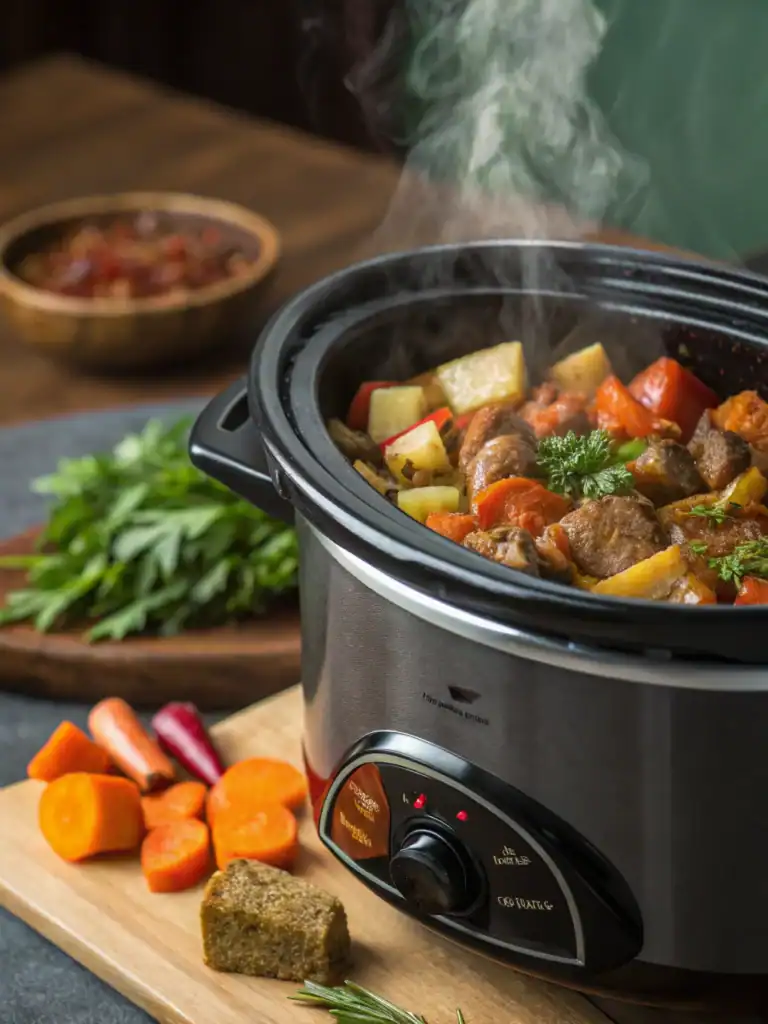
The design of the crockpot means it requires little attention once the ingredients are added, saving time and making meal preparation easier. It works by maintaining a steady, low heat that cooks food evenly over time. Many people appreciate it for its convenience, especially when preparing soups, stews, or slow-cooked meats.
Key Takeaways
- A crockpot cooks food slowly at low temperatures using a heated base and ceramic pot.
- It allows flavors to develop and tenderizes tougher ingredients with minimal effort.
- It saves time and simplifies cooking by requiring little supervision.
Defining a Crockpot
A Crockpot is an electric kitchen device designed to cook food slowly over several hours. It uses low heat to simmer ingredients, helping tough cuts of meat become tender and flavors develop deeply. Its simple design and ease of use make it a common tool in many homes.
Crockpot Versus Slow Cooker
A Crockpot is actually a brand of slow cooker, often used interchangeably with the term “slow cooker.” All Crockpots are slow cookers, but not all slow cookers are Crockpots. Slow cookers come in many brands, each with slightly different features or designs.
Both appliances work the same way by using a heating element and a ceramic or stoneware pot. The main difference lies in branding and sometimes in shape or specific settings. Crockpot helped popularize slow cookers after launching their version in the 1970s.
Key Features and Components
The Crockpot consists of a removable ceramic or stoneware pot that fits inside an electric heating base. It usually has a glass lid to allow users to see the food without lifting it.
Temperature settings typically include Low, High, and sometimes Warm. These control how long it takes to cook the meal and keep it at a safe temperature after cooking. No preheating is needed, which makes the device convenient for starting meals in the morning and finishing hours later.
Its design locks in moisture and heat, which retains the food’s juices and flavors. The appliance uses low electricity compared to an oven or stovetop.
Brief History and Evolution
The concept of slow cooking began gaining popularity in the mid-20th century. The Crockpot brand launched its slow cooker in the 1970s, making it widely accessible to the average household.
Since then, slow cookers have evolved to include digital timers, programmable settings, and even multipurpose models that combine slow cooking with pressure cooking. Despite these developments, the core principle remains the same: cooking food at low temperatures over a long time.
This evolution has made slow cookers, including Crockpots, a staple for convenient and energy-efficient cooking.
How a Crockpot Works
A crockpot uses consistent low heat and a sealed environment to cook food slowly over several hours. This method breaks down tough ingredients and blends flavors without burning or drying out the dish.
Low and Even Heat Distribution
The crockpot heats food by using a heating element wrapped around the sides and base of the pot. This element provides steady, gentle heat, usually between 170°F and 280°F. The heat moves evenly through the thick ceramic or metal inner pot by conduction.
This slow, even heating allows food to cook thoroughly without reaching a boil. It softens tough meats and vegetables gradually. The steady low heat prevents scorching and keeps moisture inside. The design ensures cooking is uniform, which helps maintain flavor and texture throughout the meal.
Cooking Settings and Controls
Most crockpots have at least two temperature settings: low and high. The low setting cooks food slowly, usually taking 6 to 10 hours. The high setting cooks faster, often in 3 to 5 hours. Some modern models include a “keep warm” setting to maintain temperature without continuing to cook.
Users select settings based on recipe time and ingredients. Simple controls often include a dial or buttons to set heat levels and timing. Some advanced versions offer digital timers and programmable cooking cycles for precision.
The Role of Lids and Inserts
The lid on a crockpot fits tightly to trap heat and moisture inside the pot. This seal creates a humid cooking environment that prevents evaporation. The trapped steam cooks food evenly and helps make it tender.
The ceramic or metal insert holds the food and conducts heat from the heating element. It is removable for easy cleaning and can often be used for serving. The insert’s thickness helps distribute heat slowly and evenly, reducing hot spots. The lid and insert work together to maintain the ideal cooking conditions inside the crockpot.
Types of Crockpots
Crockpots come in different styles and sizes to fit various cooking needs. Buyers can choose models with simple controls or more advanced features. Sizes vary from small to large, while popular brands offer options with unique benefits.
Manual Versus Programmable Models
Manual Crockpots have basic controls, usually a dial with settings like low, high, or warm. The user must adjust the settings and monitor cooking times. These models are straightforward and often less expensive.
Programmable Crockpots allow users to set cooking times and temperatures precisely. They can switch to a warm mode automatically after cooking finishes. This feature helps prevent overcooking and adds convenience, especially for busy users.
Programmable models often include digital displays and multiple cooking modes. They offer more control but usually cost more than manual Crockpots. The choice depends on how much control and convenience the user wants.
Size and Capacity Options
Crockpots range in size from small 1.5-quart models to large 8-quart or more. Smaller Crockpots suit singles or couples, while larger ones can feed big families or prepare meals for gatherings.
Common sizes include:
- 3 to 4 quarts: Ideal for small families or side dishes
- 5 to 6 quarts: Most popular size for average households
- 7 to 8 quarts: For large families or batch cooking
Choosing the right size depends on how many people will eat and the type of meals being prepared. A larger size also means longer cook times because more food takes longer to heat evenly.
Popular Brands in the Market
Crockpot is the original brand known for ceramic-style slow cookers. It remains popular for reliable, easy-to-use models with classic designs.
Other brands include:
- Instant Pot: Offers multi-cooker models combining slow cooking and pressure cooking.
- Hamilton Beach: Known for affordable and widely available Crockpots with programmable features.
- Cuisinart: Offers premium models with advanced digital controls and sleek designs.
Each brand has unique features, so buyers should compare based on price, cooking options, and size. Popular brands also differ in customer support and warranty coverage.
Benefits of Using a Crockpot
A crockpot offers several advantages that help make cooking easier and more efficient. It saves energy, simplifies meal prep, and improves the taste and texture of food by cooking it slowly over time.
Energy Efficiency and Convenience
Crockpots use less electricity than ovens or stovetops. They maintain low, steady heat for hours without needing much power. This makes them an energy-saving option for cooking meals.
They also allow hands-off cooking. Users can set the timer, leave the crockpot running, and focus on other tasks. This convenience fits well with busy schedules. Cleanup is easier too since food cooks in one pot, reducing dishes and mess.
Meal Preparation and Planning
Using a crockpot helps with planning meals ahead. Ingredients can be combined in the morning, and the meal cooks slowly throughout the day. This saves time during busy evenings.
It also supports batch cooking. Large meals like soups, stews, or roasts can be prepared and portioned for several days. This reduces daily cooking needs and helps maintain healthy eating habits with ready-to-eat meals.
Flavor and Texture Enhancement
Slow cooking in a crockpot allows flavors to develop deeply. The long cooking time helps spices and ingredients meld together for richer taste.
The low heat tenderizes tougher cuts of meat, making them soft and juicy. This method avoids overcooking or burning food. It also keeps moisture locked in, producing meals with better texture than fast cooking methods.
Safety and Maintenance Tips
Using a crockpot safely includes following clear instructions and properly caring for the appliance. Regular checks and careful cleaning keep it working well and prevent problems.
Proper Usage Guidelines
The crockpot should never be filled more than two-thirds full. Overfilling can cause uneven cooking or spills.
It is essential to use the cooking settings as described in the manual. Slow cookers heat food slowly to at least 140°F (60°C) within four hours, which stops bacteria from growing.
Place the crockpot on a dry, stable, and heat-resistant surface. Leave about 2 inches of space around it to avoid overheating.
Check the cord and plug before each use. Avoid using the crockpot if any damage is found. Also, never immerse the base in water.
Cleaning and Storage Advice
Always clean the crockpot after each use. Remove the insert and wash it with warm soapy water. Dry it thoroughly before storing.
Wipe the outer base with a damp cloth, but never soak it or put it in water. This keeps the electrical parts safe from damage.
Inspect seals and lids regularly for damage or wear. Replace parts if they show cracks or other problems to maintain a proper seal and safe cooking.
Store the crockpot with the lid off or loosely placed to prevent moisture buildup and odors. Keep it in a dry, cool place away from extreme temperatures.