Table of Contents
How to Master Freezer-to-Crockpot Meals for Effortless Weekly Dinners
Freezer-to-crockpot meals offer a simple way to save time and still enjoy home-cooked dinners. By preparing meals ahead and freezing them, anyone can easily dump ingredients into a slow cooker whenever needed. This method cuts down daily cooking time while keeping meals fresh and flavorful.
Mastering these meals means knowing the right ingredients to use, how to pack them properly for freezing, and the best way to cook them straight from the freezer. Once the steps are learned, it becomes easy to adapt favorite recipes for this style of cooking. This approach suits busy schedules and helps ensure dinner is ready with minimal effort.
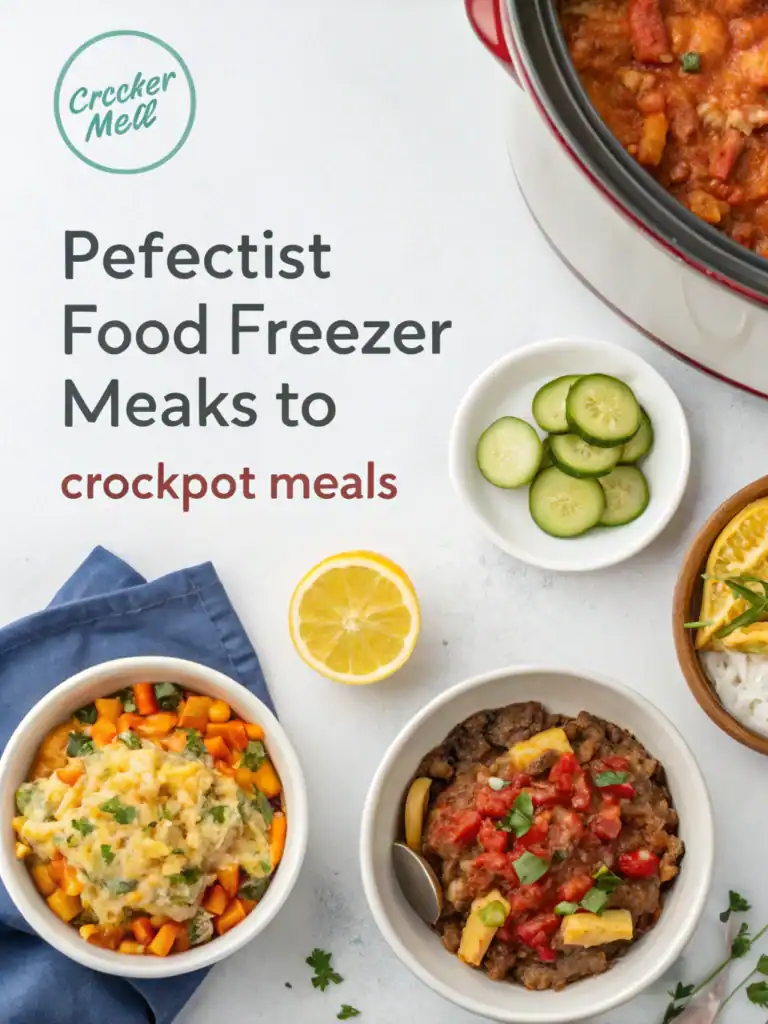
With basic tools and smart planning, freezer-to-crockpot meals can transform meal prep into a stress-free routine. Learning how to freeze, store, and then cook properly will maximize both taste and nutrition in every meal.
Key Takeways
- Preparing and freezing meals in advance saves time and effort on busy days.
- Using the right ingredients and packing techniques ensures meals cook well from frozen.
- Simple planning helps keep meals nutritious, tasty, and ready whenever needed.
Understanding Freezer-to-Crockpot Meals
Freezer-to-crockpot meals involve preparing ingredients ahead of time, freezing them, and then cooking the meal directly in a slow cooker. This process saves time during busy days and reduces last-minute meal prep. It can also simplify grocery shopping and cut down on food waste.
What Are Freezer-to-Crockpot Meals
Freezer-to-crockpot meals are fully or partially prepared dishes stored in the freezer. Ingredients are placed in bags or containers, then frozen until ready to cook. When needed, the frozen contents are dumped straight into the crockpot.
These meals often include protein, vegetables, sauces, and spices, allowing for a complete dish to slow cook over several hours. This method replaces daily meal prep with one focused cooking session before freezing.
Benefits of Freezer-to-Crockpot Cooking
This method offers several key benefits:
- Time-saving: Preparing multiple meals in advance reduces daily cooking time.
- Convenience: Meals can be cooked directly from frozen or thawed in the crockpot.
- Budget-friendly: Bulk shopping and homemade meals lower food costs.
- Less cleanup: One slow cooker pot means fewer dishes.
- Stress reduction: Having ready meals makes weeknight dinners easier to manage.
It also supports healthier eating by controlling ingredients and avoiding takeout.
Common Misconceptions
Some believe freezer-to-crockpot meals are complicated or cause freezer burn. However, they are simple when using labeled freezer bags and organized recipes.
Others worry frozen meals won’t cook evenly. In reality, slow cookers gradually heat frozen meals, allowing safe and thorough cooking.
Some think they must thaw meals first, but many recipes are designed for cooking straight from the freezer, making the process even easier.
Essential Supplies and Tools
Having the right equipment makes freezer-to-crockpot meals easier and more efficient. Using proper tools ensures food safety, cooking success, and better meal prep organization.
Choosing the Right Crockpot
A crockpot with a removable stoneware insert is best for freezer-to-crockpot meals. It makes cleaning easier and allows freezing the food directly in the insert if your model supports it.
Size is important. A 6-quart crockpot suits most families, offering enough space for large portions without overfilling. Smaller models might limit meal size, while very large ones can take longer to cook frozen meals properly.
Look for crockpots with programmable timers and warm settings. These features let users delay cooking start or keep food warm after cooking—helpful for busy schedules and safe meal handling.
Freezer-Safe Containers and Bags
Use heavy-duty, freezer-safe plastic bags or containers designed for slow cooker meals. Freezer bags should stand upright to save space and avoid leaks.
Containers made from BPA-free plastic or glass with tight-sealing lids keep meals fresh and prevent freezer burn. Glass containers with snap lids are durable but not all fit well inside crockpots for cooking.
Avoid using thin plastic wraps or containers not labeled freezer-safe. They can crack or let air in, affecting meal quality. Always leave room for expansion by not filling containers completely.
Labeling and Organization Tools
Labels are vital for knowing contents and cooking instructions at a glance. Use waterproof labels or masking tape with a permanent marker for writing meal names, date of freezing, and cooking notes.
Organize meals by grouping similar dishes or dates. Transparent containers help identify meals without opening.
A simple checklist or freezer inventory app can track what is stored, reducing waste and helping plan future meals. This saves time searching the freezer and keeps meal prep orderly.
Best Ingredients for Freezer-to-Crockpot Cooking
Choosing the right ingredients is key to making successful freezer-to-crockpot meals. Proteins, vegetables, starches, and liquids all need to hold up well during freezing and slow cooking. Knowing which ones work best helps avoid soggy textures or loss of flavor.
Proteins That Freeze and Cook Well
Meat like chicken thighs, ground beef, and pork shoulder are top choices. They stay tender after freezing and slow cooking. Avoid lean meats like chicken breast, which can dry out when cooked long in a crockpot.
Frozen fish or shellfish are not recommended because they cook quickly and can become mushy. Instead, these should be added fresh.
For plant-based options, beans and lentils freeze well when par-cooked before freezing. Tofu can be frozen but might change texture after cooking.
Safe Vegetables and Starches
Root vegetables such as carrots, potatoes, and sweet potatoes keep their texture well. They handle slow cooking and freezing without getting too soft.
Onions, bell peppers, and celery also freeze well and add flavor. Avoid watery vegetables like lettuce, cucumbers, or raw tomatoes, which turn mushy.
Starches like rice and pasta do not freeze well raw and should be cooked fresh. Instead, use potatoes or add grains after cooking if desired.
Broths, Sauces, and Seasonings
Use low-sodium broths to control salt levels. Broth or stock provides moisture and helps cook frozen ingredients evenly.
Sauces like tomato-based, BBQ, or cream sauces hold up well. Avoid watery sauces that separate after freezing.
Use dried herbs and spices rather than fresh ones, as their flavor lasts longer through freezing and slow cooking. Garlic powder, paprika, and thyme are good options to season before freezing.
Meal Planning Strategies
Effective meal planning helps streamline the preparation of freezer-to-crockpot meals. It involves choosing the right recipes, organizing shopping to save time, and setting regular prep times. These steps make cooking simpler and prevent last-minute stress.
Picking Suitable Recipes
Choosing recipes that freeze and slow cook well is key. Meals with ingredients like stews, chilis, soups, and casseroles work best because they hold texture and flavor after freezing.
Meals should avoid ingredients that don’t freeze well, such as cream-based sauces or delicate vegetables like lettuce. Instead, lean on hard vegetables like carrots and potatoes.
Look for recipes requiring minimal fresh ingredients at cooking time. This reduces extra prep later. Recipes with a clear ingredient list and easy step-by-step instructions are ideal for freezing and dumping into the crockpot.
Batch Shopping and Preparation
Batch shopping focuses on buying large amounts of staple ingredients needed across multiple meals. This saves money and reduces trips to the store.
It helps to create a shopping list organized by departments, like produce, meat, and pantry staples. Buying in bulk can cut costs on meat, beans, and frozen vegetables.
After shopping, prepping ingredients in batches—such as chopping vegetables or portioning spices—accelerates meal assembly. Using freezer bags or containers labeled with meal names and dates keeps things organized and easy to access.
Scheduling Meal Prep Sessions
Setting specific times weekly or biweekly for meal prep ensures freezer meals are ready when needed. Sessions can last 1-2 hours depending on the number of meals prepared.
During prep, assembling all ingredients for several recipes before freezing maximizes efficiency. This reduces daily cooking work to simply placing a bag in the crockpot.
A schedule can be flexible but consistent. For example, Sunday afternoons can become a regular prep time. This routine supports steady meal availability and avoids last-minute cooking rushes.
Step-by-Step Preparation Guide
Proper preparation is key to making freezer-to-crockpot meals work well. This includes careful handling of ingredients, smart layering in the bag or container, and packaging methods that keep food fresh and safe until cooking.
Safe Handling and Prepping of Ingredients
Start by washing hands thoroughly and sanitizing all surfaces before handling food. Use fresh, high-quality ingredients to ensure taste and safety.
Cut vegetables and meats into uniform sizes to help them cook evenly in the crockpot. Trim excess fat from meats to reduce grease and improve meal quality.
Keep raw meat separate from other ingredients during prep to avoid cross-contamination. Use separate cutting boards if possible.
Partially thaw frozen ingredients just enough to cut or handle them safely. Fully thawing before freezing again can reduce quality.
Assembly and Layering Techniques
When putting ingredients into bags or containers, place denser, longer-cooking foods like root vegetables at the bottom. This positioning lets them soften properly while cooking.
Add meats next, to keep them in contact with heat longer and cook fully. Layer spices and dry ingredients last, on top, so flavors distribute during cooking.
Avoid overfilling bags or containers. Leave some space for liquids like broth or sauce to circulate during cooking.
Seal bags tightly to prevent freezer burn and maintain ingredient order for easy dumping into the crockpot.
Packaging for Maximum Freshness
Use freezer-safe, airtight bags or containers designed for long-term storage. Squeeze out extra air to cut down on ice crystal formation.
Label each package clearly with the recipe name and date frozen. This helps keep track of freshness and use-by times.
Flatten bags before freezing. This saves space and helps meals thaw faster in the fridge or under cold water.
Store meals flat on a freezer shelf until frozen solid, then arrange them upright or stacked to maximize freezer space.
Freezing and Storage Techniques
Freezer-to-crockpot meals need careful handling to keep them safe and tasty. Proper cooling, protection from freezer damage, and knowing how long to store them are key steps.
Proper Cooling Before Freezing
Before putting meals in the freezer, they must cool down to prevent bacteria growth. Hot food should not go directly into the freezer because it can raise the freezer’s temperature and cause uneven freezing.
It’s best to let meals cool at room temperature for no more than two hours. For faster cooling, dividing food into shallow containers works well.
Once the meal is cool, transfer it to freezer bags or airtight containers. This helps keep the food fresh and safe until cooking.
Avoiding Freezer Burn
Freezer burn happens when food is exposed to air, drying it out and changing its texture and flavor. To avoid this, seal meals tightly in thick, freezer-safe bags or containers.
Remove as much air as possible before sealing. Vacuum sealing is ideal but squeezing air out by hand works too.
Label all packages with the date to track storage time and avoid keeping meals too long.
Optimal Storage Times
Most freezer-to-crockpot meals stay good for 3 to 6 months in the freezer. After this, quality and flavor can decline even if the food is still safe to eat.
Raw meat meals should not be kept longer than 3 months for safety reasons. Cooked meals might last closer to 6 months.
If a meal has been thawed in the fridge, it should be cooked within 24 to 48 hours. Refreezing thawed meals is not recommended because it affects safety and taste.
Cooking from Freezer to Crockpot
Freezer-to-crockpot meals save time and effort by letting someone prep in advance and cook later with minimal work. Knowing when to thaw, how to adjust cooking settings, and following safety rules ensures the meal turns out well and stays safe to eat.
Thawing vs. Cooking from Frozen
Most freezer-to-crockpot meals do not need to be thawed first. Ingredients can be placed directly in the crockpot while still frozen. This can simplify meal prep and reduce risk of bacterial growth that sometimes happens during thawing.
However, longer cook times are necessary when cooking from frozen. Also, some recipes may require partial thawing for best results. For example, thick pieces of meat might not cook evenly if frozen solid.
When thawing, put the meal in the fridge overnight. Avoid thawing at room temperature to prevent unsafe bacteria growth. Overall, cooking straight from frozen is usually safe and efficient for crockpot meals designed for this method.
Adjusting Cook Times and Temperatures
Crockpot meals taken from the freezer require more cooking time than thawed meals. Typically, add 1 to 2 hours of cook time when starting frozen. The exact time depends on the meal size, ingredients, and crockpot model.
Most frozen meals cook well on the low setting of a crockpot, but cooking times can range between 6 to 10 hours. Cooking on high can speed the process but may dry out some meals or create uneven cooking.
A simple rule: start with low heat for longer cooking. Check the meal’s internal temperature—it should reach at least 165°F (74°C) before serving. Using a timer or programmable slow cooker can help manage timing accurately.
Safety Tips During Cooking
Food safety is critical when cooking freezer-to-crockpot meals. Always use fresh ingredients for freezer bags and freeze meals quickly after assembly to reduce bacterial growth.
Do not thaw meals at room temperature or let them sit out before cooking. This can increase the risk of foodborne illness.
Clean hands, utensils, and surfaces well before and after handling raw meat. Use separate cutting boards for meat and vegetables.
Check the meal temperature during cooking. An internal temperature of 165°F (74°C) means it is safe to eat. If the crockpot does not heat evenly, stir the meal once or twice for consistent cooking.
Using well-sealed freezer bags prevents freezer burn and contamination. Label each bag with the cooking instructions and cooking time to avoid mistakes.